How to Do Braided Hairstyles: Step-by-Step Guide to 8 Essential Braids for 2027

Braided hairstyles are timeless, practical and endlessly creative. From simple three-strand braids to intricate fishtails, waterfalls and protective box braids, braids keep hair neat while adding texture and personality. Learning the basic techniques opens up hundreds of styles for every occasion.
This guide explains how to do braided hairstyles in 2027, from preparing your hair and gathering tools to step-by-step methods for the most popular braids. You will also find eight braid types to master, including three-strand, French, Dutch, fishtail, waterfall, rope, box braids and cornrows, plus tips for making braids neat and long-lasting.
Quick Overview
- The three-strand braid is the foundation of most styles.
- French braids cross over; Dutch braids cross under.
- Fishtails use two sections instead of three.
- Texture spray helps silky hair grip.
- Pancaking makes braids look fuller.
- Avoid tight braids at the hairline to protect your edges.
Why Learn to Braid?
Braiding is one of the most useful hair skills you can learn. Braids keep hair neat and off the face, protect the ends from friction and hold up through workouts, travel and long days. They also add texture and detail, turning simple hair into a finished look.
Once you master a few basic braids, you can combine them into countless styles. A three-strand braid becomes a crown, a French braid becomes a ponytail and a Dutch braid becomes space buns. Fishtails and waterfalls add romance, while rope braids offer quick polish.
Braids also suit every hair type. Straight hair shows neat patterns, wavy hair adds softness and curly and coily hair creates beautiful protective styles like box braids and cornrows. Whether you want everyday practicality or special-occasion glamour, braiding gives you endless options. Our natural hairstyles for Black women guide shares many braided protective looks.
How to Prep Your Hair for Braiding
Start with detangled hair. Knots make braids uneven and can cause breakage. Brush from the ends upward, and use a leave-in conditioner on curly or coily hair to make detangling easier.
Add grip if needed. Freshly washed or silky hair can slip, so texture spray, dry shampoo or a light mousse helps braids hold. Slightly damp hair can also be easier to control, especially for French and Dutch braids.
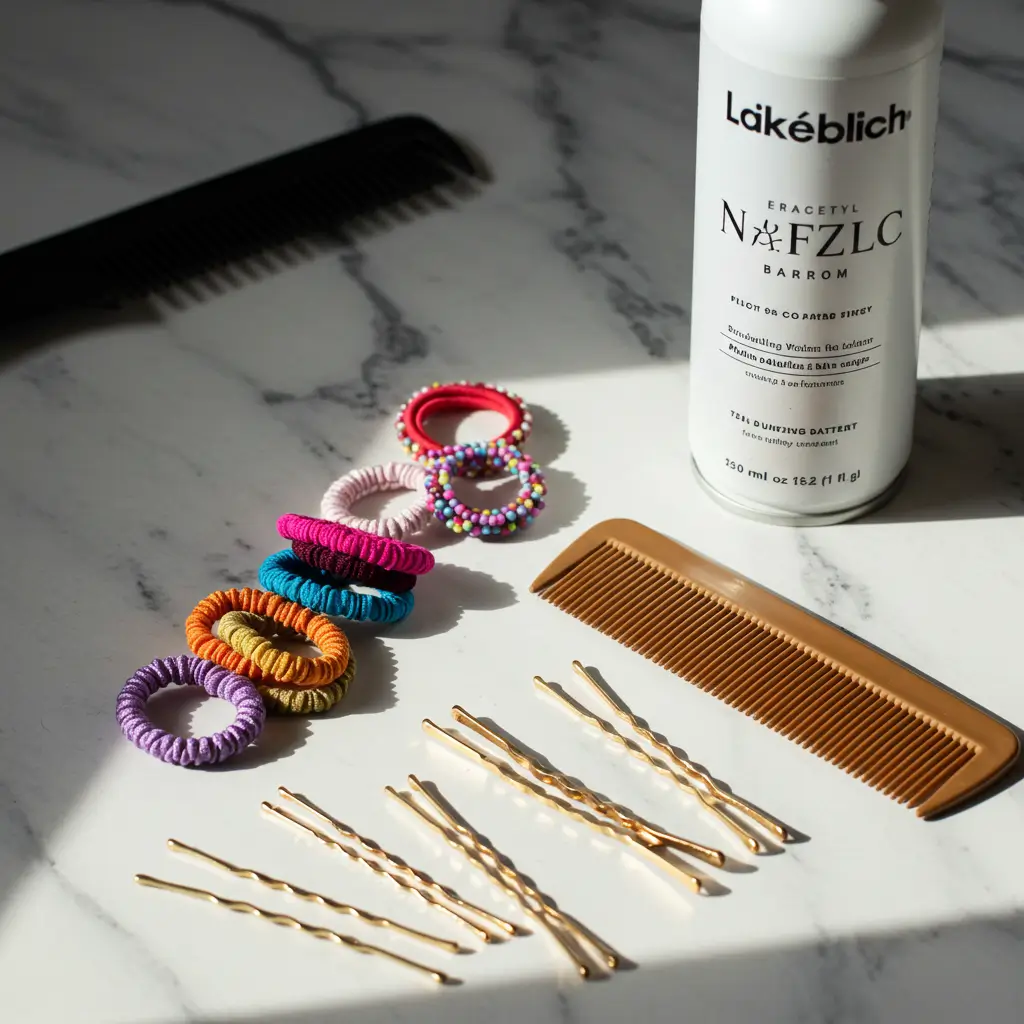
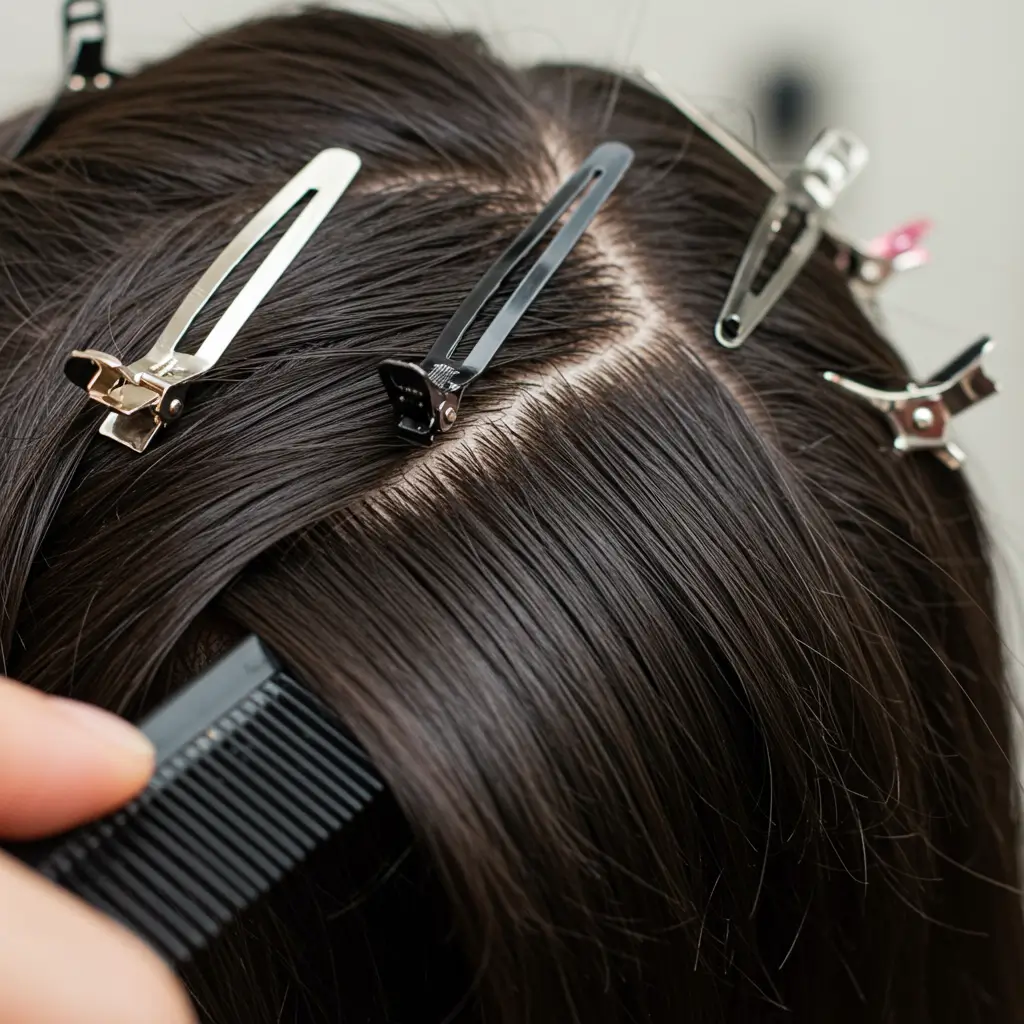
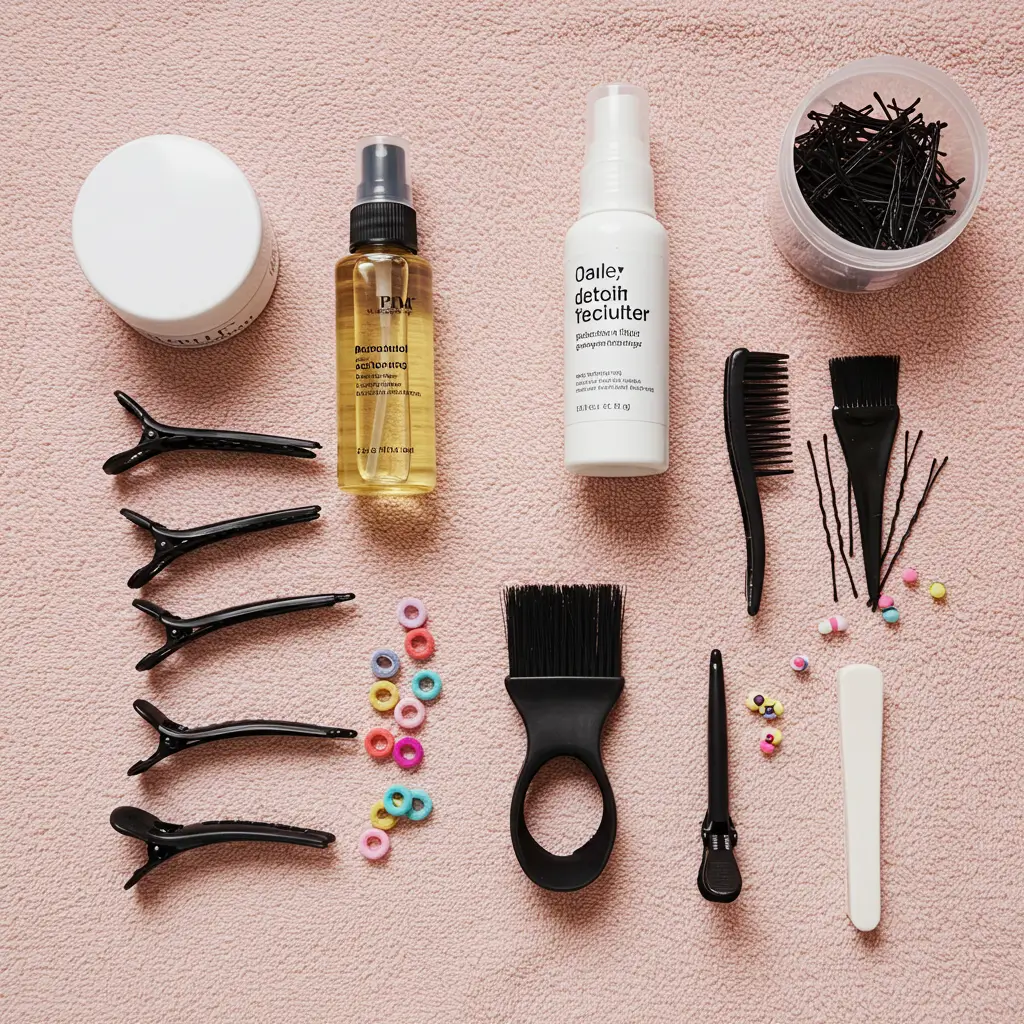
Gather your tools: a brush, a tail comb for sectioning, small clear elastics, bobby pins and a light gel or smoothing cream for flyaways. Hairspray holds finished braids in place. For protective styles, you may also need braiding hair, edge control and a scalp oil. Finally, plan your style and section your hair before you begin, as clean partings make every braid look neater. Our hairstyles for greasy hair guide explains why second-day hair braids better.
8 Braids Everyone Should Learn
1. Three-Strand Braid
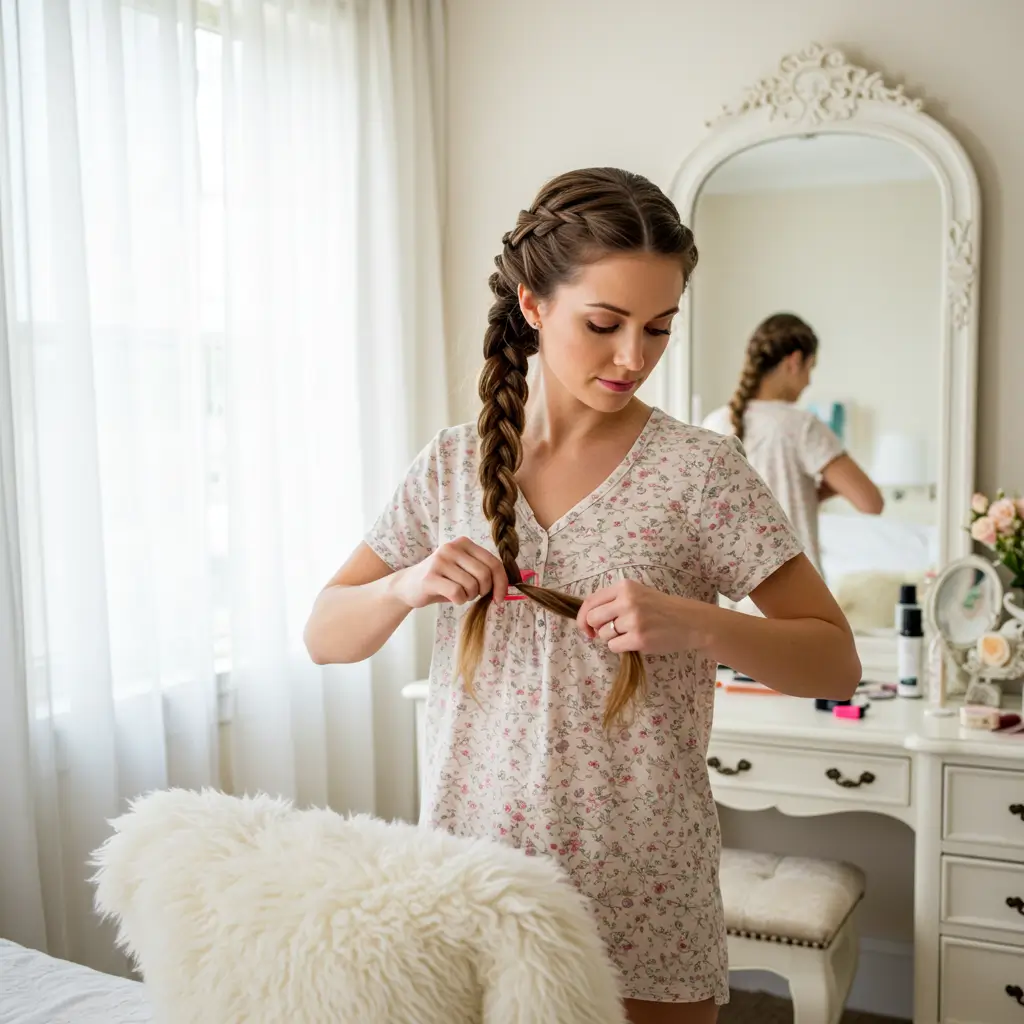
The three-strand braid is the foundation of almost every braided hairstyle. Hair is divided into three equal sections, and the outer strands are crossed over the middle one after another. It is simple, classic and quick, making it the perfect starting point for beginners. It suits every hair type and can be worn down the back, over one shoulder or as part of an updo.
Divide the hair into three sections and cross the right strand over the middle, then the left over the new middle. Repeat to the ends and secure with an elastic. Keep tension even for a neat braid, and pancake gently for fullness. Our braided hairstyles guide shows many finished looks.
Best for: Beginner-friendly foundation
- Difficulty: Easy
- Hair length: Shoulder and longer
- Occasion: Everyday
- Time: 3 minutes
- Lasts: 1 day
2. French Braid
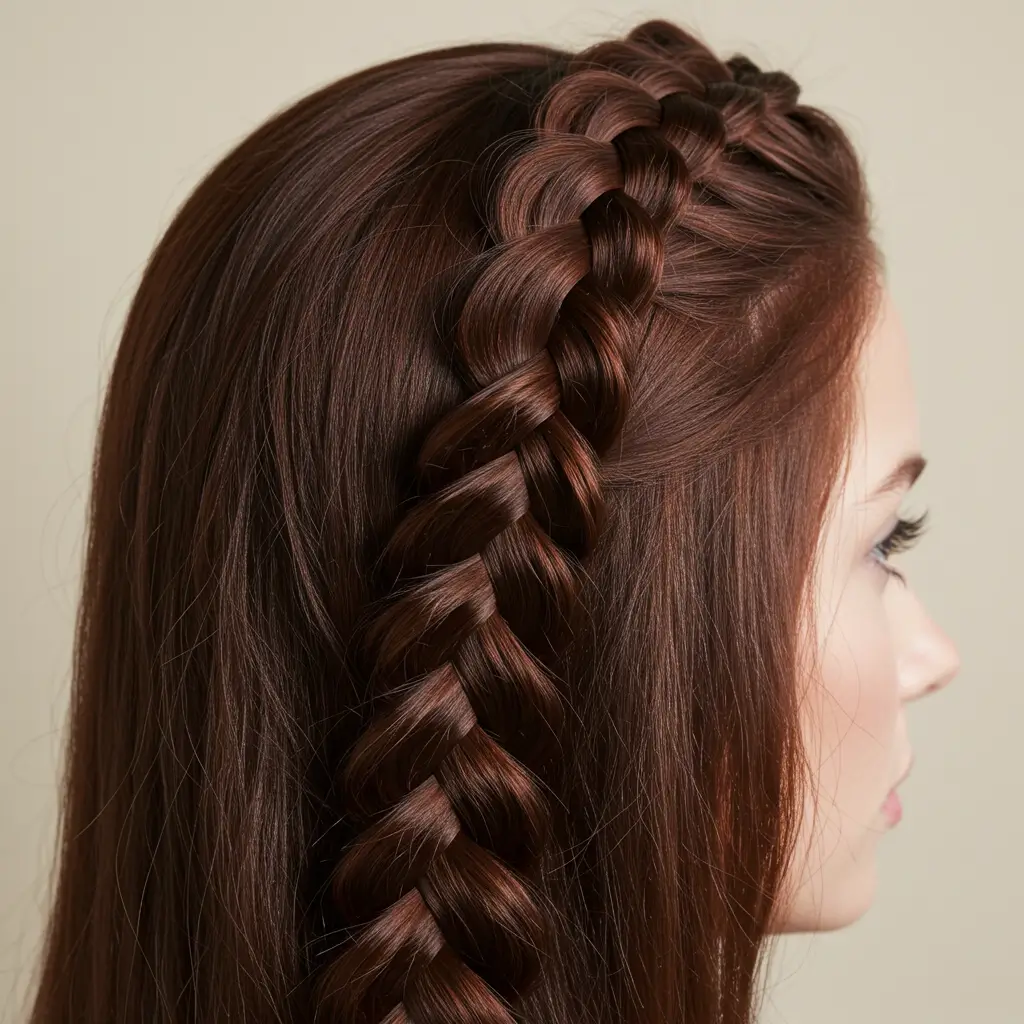
A French braid adds hair to each strand as you braid down the head, creating a flat, smooth braid that hugs the scalp. It looks polished and stays secure, perfect for work, sport and travel. It suits all ages and every hair texture, and it keeps hair neat all day.
Start at the hairline with three strands and add a small section of loose hair to each outer strand before crossing it over the middle. Continue to the nape. Our French braid hairstyle guide explains it in detail. Smooth flyaways with a little gel and finish with hairspray.
Best for: Polished secure style
- Difficulty: Medium
- Hair length: Shoulder and longer
- Occasion: Work and sport
- Time: 10 minutes
- Lasts: 1–2 days
3. Dutch Braid
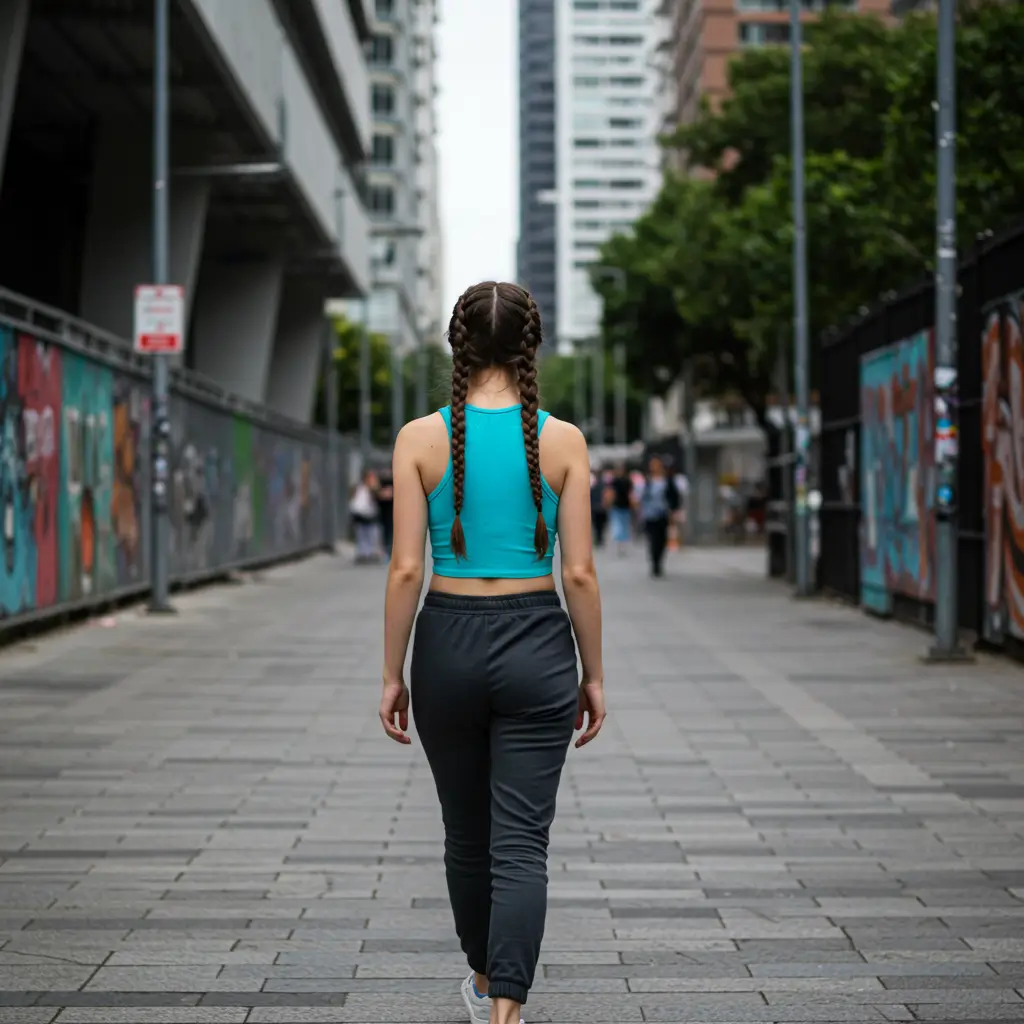
A Dutch braid is the inverted version of a French braid. Strands are crossed under the middle, so the braid sits on top of the hair and stands out boldly. It looks three-dimensional and is great for double braids. It suits all ages and every texture, and it makes a great base for buns, ponytails and space buns.
Follow the French braid method, but cross each strand under the middle instead of over. Pancake the finished braid for fullness. Our Dutch braid hairstyles guide shares twenty ideas. Secure the ends, keep the sections small and even, and finish with light hairspray for hold.
Best for: Bold three-dimensional look
- Difficulty: Medium
- Hair length: Shoulder and longer
- Occasion: Festivals and sport
- Time: 12 minutes
- Lasts: 1–3 days
4. Fishtail Braid
A fishtail braid uses two sections instead of three, crossing small pieces from the outside of each section to the other. The result looks intricate and woven, like scales. It is romantic and beautiful for beach days and weddings. It suits all ages and every season, and it looks especially pretty over one shoulder.
Split the hair into two sections. Take a thin piece from the outside of the left section and cross it to the right, then repeat on the right. Continue to the ends and secure. Our fairy hairstyles guide shows decorated fishtails. Pancake the braid for a fuller look, and add pearl pins for weddings.
Best for: Romantic woven texture
- Difficulty: Medium
- Hair length: Medium to long
- Occasion: Weddings and beach
- Time: 15 minutes
- Lasts: 1 day
5. Waterfall Braid
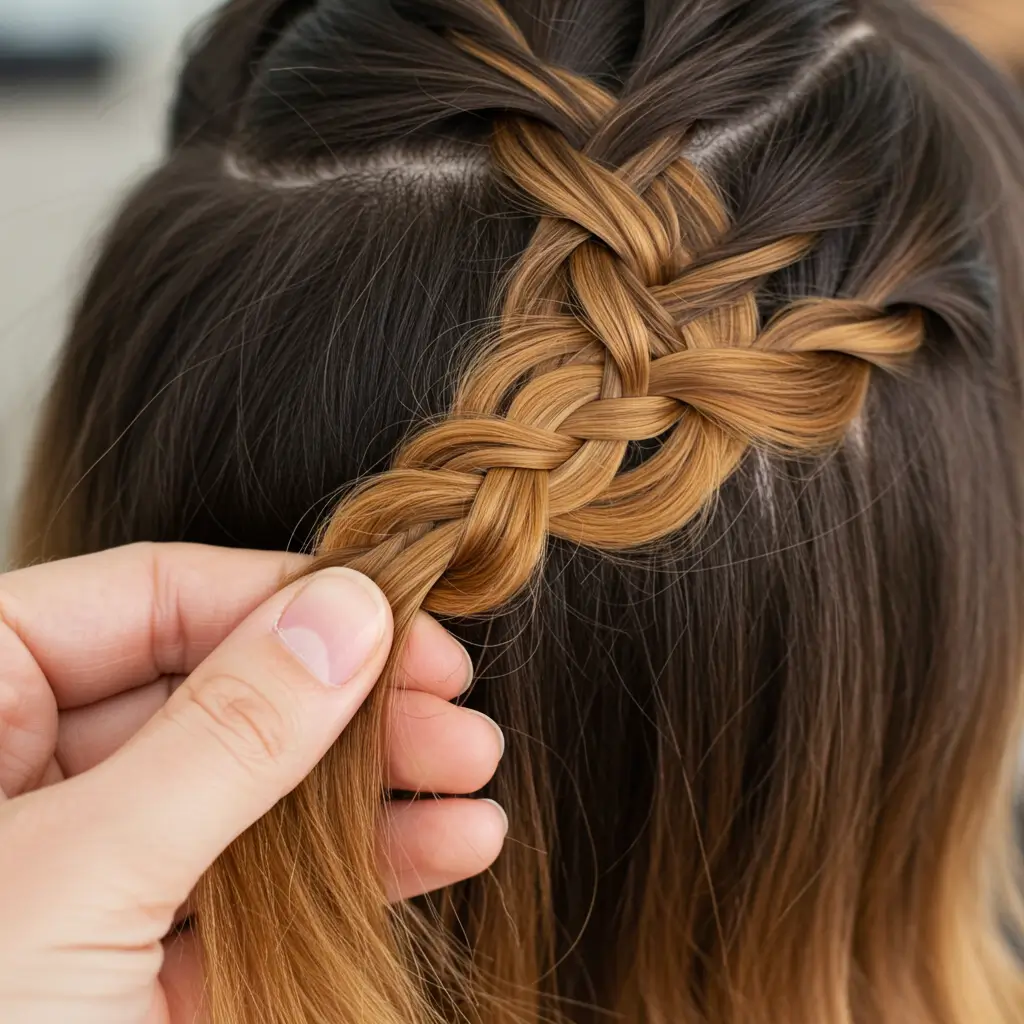
A waterfall braid is a horizontal braid where strands drop down through the braid, creating a cascading effect. It frames the head like a delicate crown while leaving most of the hair loose. It looks magical and romantic. It suits all ages and looks lovely with soft curls.
Start a French braid at the temple, but drop the top strand after each cross and pick up a new one. Continue around the head and pin at the back. Our prom hairstyles guide shares similar romantic looks. Curl the loose hair for a softer, more romantic finish.
Best for: Cascading romantic crown
- Difficulty: Hard
- Hair length: Medium to long
- Occasion: Weddings and dates
- Time: 15 minutes
- Lasts: 1 day
6. Rope Braid
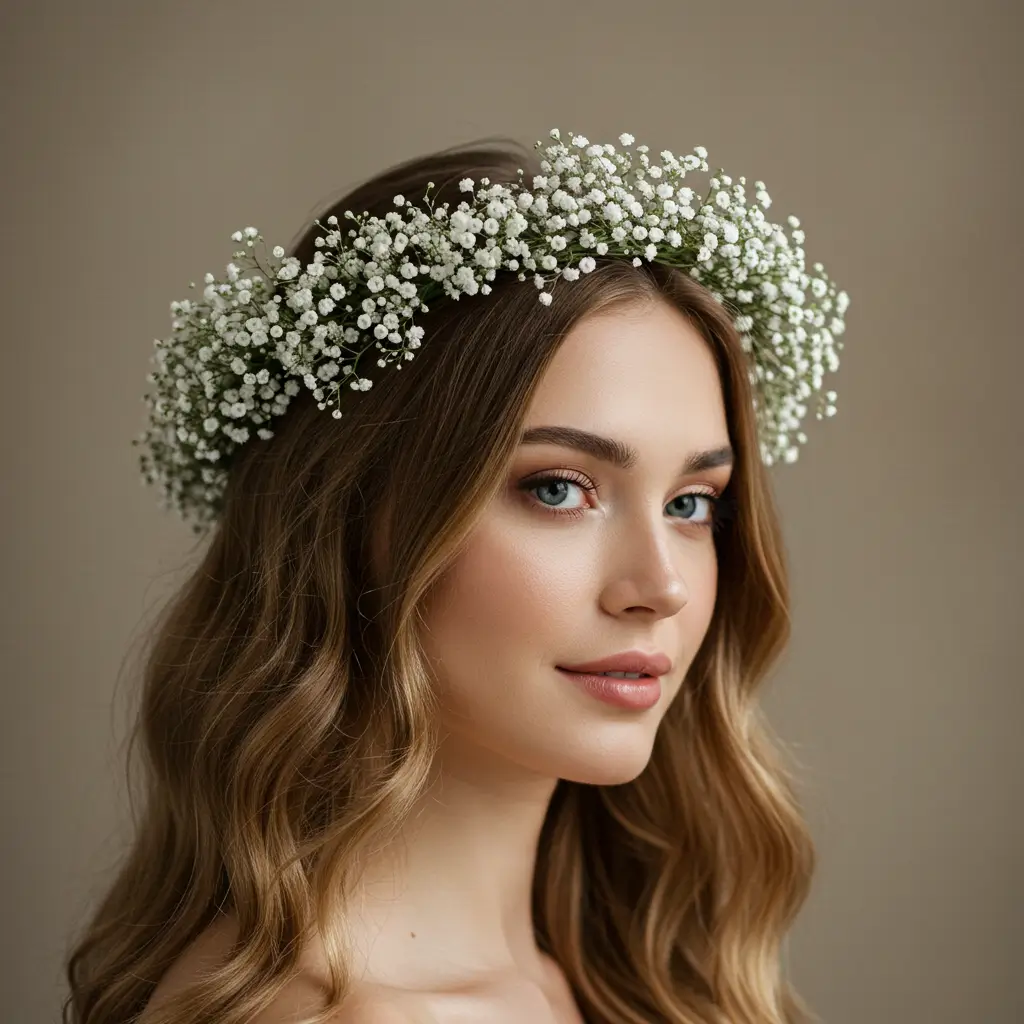
A rope braid uses two twisted sections wrapped around each other, creating a sleek, rope-like twist. It is quicker than a three-strand braid and looks polished and modern. It suits all ages and every hair texture, and it is ideal for anyone who finds three-strand braids tricky. Rope braids also look great wrapped into buns.
Split a ponytail into two sections, twist each in the same direction, then wrap them around each other in the opposite direction. Secure the ends. Our 30 trendy ponytail hairstyles guide shows rope-braid ponytails. Twist tightly enough to hold the shape, then finish with a little hairspray.
Best for: Quick sleek twist
- Difficulty: Easy
- Hair length: Shoulder and longer
- Occasion: Everyday
- Time: 5 minutes
- Lasts: 1 day
7. Box Braids
Box braids are individual three-strand braids created from square sections, often with added braiding hair. They are a popular protective style that lasts for weeks and offers endless styling options. They suit all ages and every coily or kinky texture, and they can be worn loose, in buns or ponytails. Lightweight hair reduces tension on the scalp.
Section the hair into small squares, add braiding hair if desired and braid each section to the ends. Seal the ends and moisturise the scalp regularly. Our box braids hairstyles guide shows popular variations. Remove within six to eight weeks to prevent matting and breakage.
Best for: Long-wear protective style
- Difficulty: Hard
- Hair length: Any length
- Occasion: Protective
- Time: 4–8 hours
- Lasts: 4–8 weeks
8. Cornrows
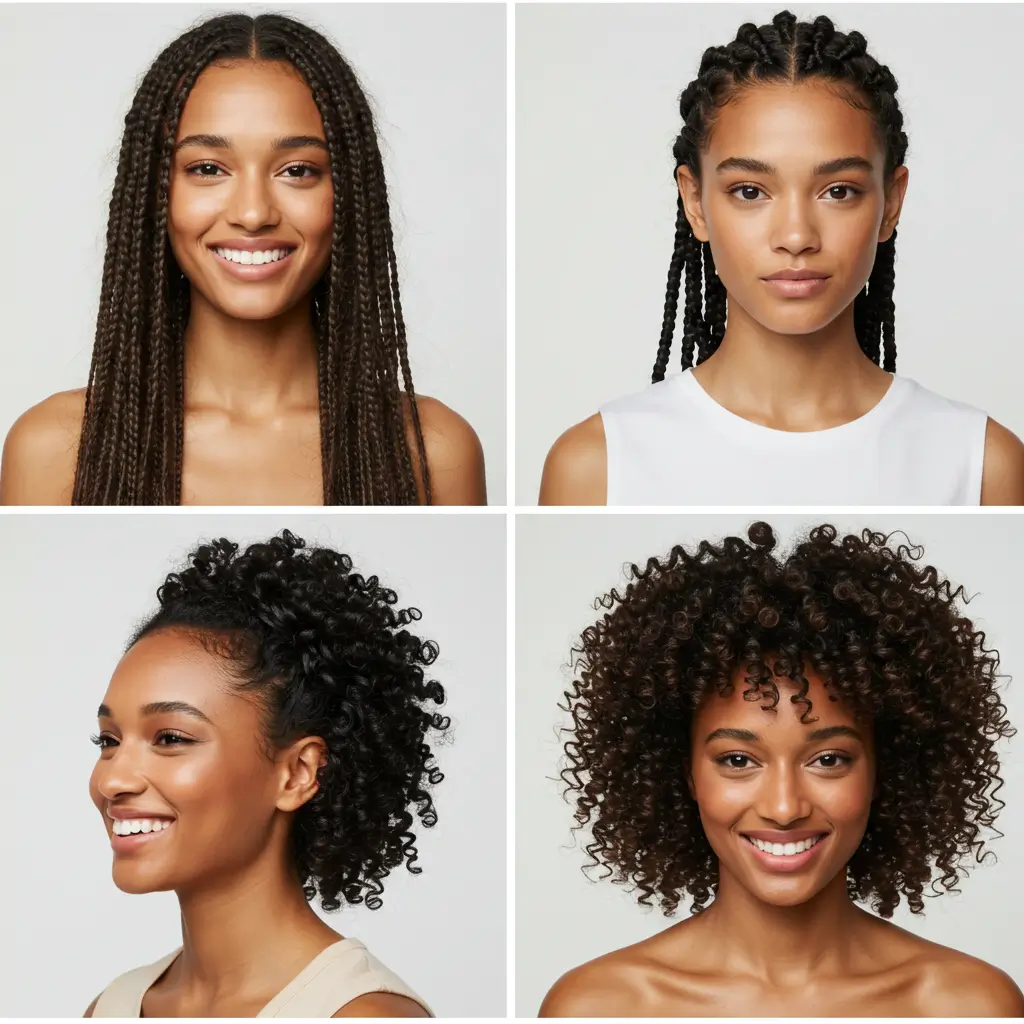
Cornrows are braids that lie flat against the scalp in straight or curved rows. They are neat, durable and protective, perfect for active lifestyles and as a base for wigs. They suit all ages, including children, and patterns can be simple or very intricate. They are also a popular base for wigs and sew-ins.
Part the hair into rows and braid each one close to the scalp, adding hair as you go using an underhand technique. Keep tension low near the edges. Our cornrow braids guide shares many patterns. Moisturise the scalp regularly, sleep in a satin scarf and remove within two to four weeks.
Best for: Neat durable protection
- Difficulty: Hard
- Hair length: Any length
- Occasion: Protective
- Time: 1–3 hours
- Lasts: 2–4 weeks
Tips for Neat, Long-Lasting Braids
Keep tension even. Uneven tension creates lumpy or loose braids. Hold strands with consistent pressure and keep your hands close to the head for French and Dutch braids.
Use small sections. Smaller added sections create neater, more detailed braids, especially for French, Dutch and fishtail styles. Larger sections create chunkier, more relaxed braids.
Pancake for fullness. Once your braid is secured, gently pull the outer loops outward, starting from the bottom. This makes braids look thicker and more voluminous, which is especially helpful for fine hair. The same trick makes Fulani braids look fuller.
Protect your braids overnight. Sleep on a silk pillowcase or wear a satin bonnet to reduce frizz. For protective styles, moisturise the scalp regularly. Finally, avoid braiding too tightly near the hairline, as tension can cause breakage and traction alopecia over time. Gentle braiding keeps hair healthy while looking beautiful. Our haircuts for thin hair guide offers volume tips for fine braids.
How Do I Keep Braided Hair Healthy?
- Avoid tight braids at the hairline to protect your edges.
- Use heat protectant before styling; the American Academy of Dermatology warns that frequent heat damages hair.
- If you colour your hair, follow American Academy of Dermatology guidance and keep lengths well conditioned.
- Moisturise the scalp and lengths, especially in protective styles.
- Sleep in a satin bonnet or on a silk pillowcase.
- Take braids out gently and deep condition afterward.
Frequently Asked Questions
What is the easiest braid to learn?
The three-strand braid. Once you master it, French and Dutch braids are easier.
What is the difference between French and Dutch braids?
French braids cross strands over the middle. Dutch braids cross under, so they stand out.
How do I make braids look thicker?
Gently pull the outer loops outward, a technique called pancaking.
Can I braid short hair?
Shoulder-length hair can be braided; shorter hair suits small side braids.
Do braids damage hair?
Not if they are loose. Tight braids at the hairline can cause breakage.
How long do braids last?
Simple braids last one to three days; box braids and cornrows last weeks.
Conclusion
Braided hairstyles are versatile, practical and beautiful. Whether you learn the basic three-strand braid, the polished French braid, the bold Dutch braid, the romantic fishtail, the magical waterfall, the quick rope braid or protective box braids and cornrows, each technique opens up new styling possibilities.
Use the steps and tips in this guide, practise regularly and experiment with combinations. With patience and gentle technique, your braids will look neat and stylish throughout 2027.