
What Is a Protective Hairstyle? Benefits, Care Tips and 6 Popular Styles for 2027

Protective hairstyles are styles that keep the ends of your hair tucked away, reducing daily manipulation, friction and exposure to harsh weather. They are especially popular for natural, coily and curly hair, which can be fragile and prone to breakage. Done correctly, protective styles help retain length, save time and offer endless creative options.
This guide explains what a protective hairstyle is in 2027, how it works, its benefits and risks, and how to care for your hair while wearing one. You will also find six popular protective styles, including box braids, cornrows, twists, locs, wigs and Bantu knots.
Quick Overview
- Protective styles tuck the ends away to reduce breakage.
- They suit natural, coily, kinky and curly hair especially well.
- Popular options include braids, twists, locs, wigs and Bantu knots.
- Too much tension can damage the hairline.
- Most styles last two to eight weeks.
- Moisturising the scalp and hair is essential during wear.
What Is a Protective Hairstyle?
A protective hairstyle is any style that keeps the ends of the hair, the oldest and most fragile part, tucked away and protected. By reducing daily combing, brushing and styling, protective styles limit breakage and help hair retain length. They also shield hair from wind, cold, sun and friction against clothing.
Protective styles range from long-term options, such as box braids, twists, locs and wigs, to short-term styles like Bantu knots, buns and updos. Some use added braiding hair or extensions, while others rely only on your natural hair. The common goal is minimal manipulation and maximum protection. Even simple styles like a high bun can be protective when worn loosely.
Although popular across many hair types, protective styles are especially important for natural, coily and kinky hair. These textures are often more prone to dryness and breakage because natural oils travel less easily along each strand. Protective styling gives the hair a rest and supports healthy growth when combined with good care. Our natural hairstyles for Black women guide shares many low-manipulation looks.
Benefits and Risks of Protective Styles
Protective styles offer many benefits. They reduce breakage by limiting daily manipulation, help retain length over time and save hours of styling each week. They also let you experiment with length, colour and texture without chemically treating your natural hair, much like the colourful options in our two-tone hair colour for black hair guide.
However, protective styles also carry risks if done poorly. Braids or twists installed too tightly can pull on the hairline and cause traction alopecia, a form of hair loss. Heavy extensions add weight and stress to the scalp. Leaving styles in too long can cause matting, buildup and breakage when you take them down.
The key is balance. Choose lightweight extensions, ask your stylist for low tension, especially around the edges, and remove styles on time. Moisturise your scalp and hair regularly, keep your scalp clean and give your hair rest periods between installs. With good habits, protective styles support healthy hair rather than harming it. Our Fulani braids guide shows how to wear braids with care.
6 Popular Protective Hairstyles
1. Box Braids
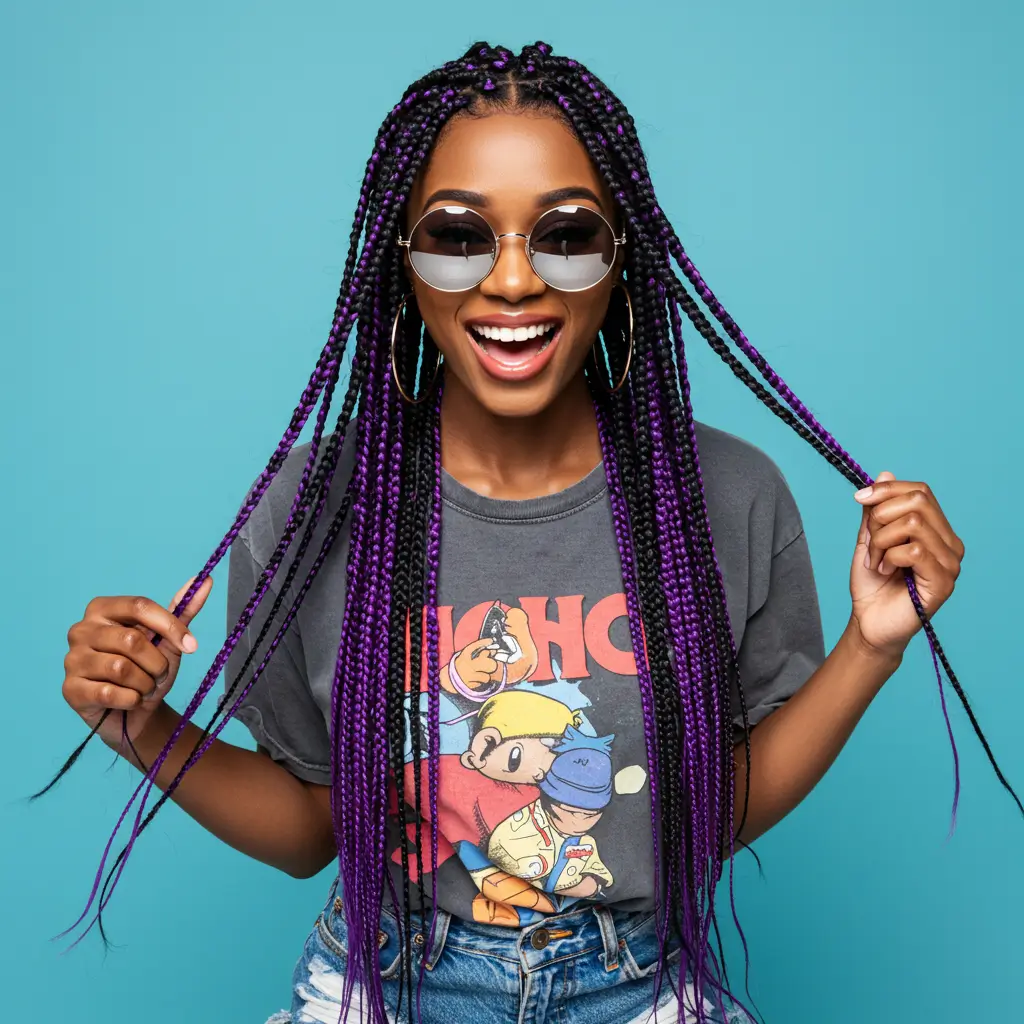
Box braids are individual three-strand braids created from square sections, often with added braiding hair for length. They are one of the most popular protective styles because they keep natural hair tucked away while offering endless styling options. They can be worn loose, in buns, ponytails or half-up styles, and they last for weeks.
Ask for medium or large braids with lightweight, pre-stretched braiding hair to reduce tension. Moisturise your scalp twice a week, sleep in a satin bonnet and remove within six to eight weeks. Our box braids hairstyles guide shares many styling ideas. Choose braid size based on how much weight your scalp can comfortably handle.
Best for: Long-wear versatility
- Wear time: 4–8 weeks
- Install time: 4–8 hours
- Best hair type: Coily, kinky, curly
- Tension level: Medium
- Maintenance: Low
2. Cornrows

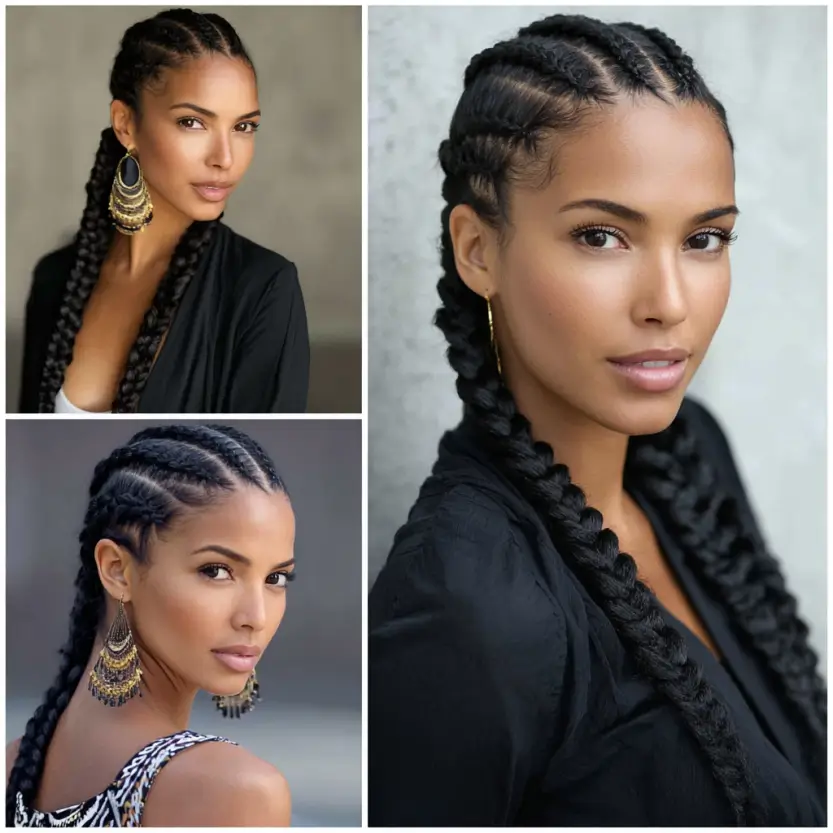
Cornrows are braids that lie flat against the scalp in straight or curved lines. They are quick to install, low maintenance and perfect for active lifestyles. They can be worn alone or used as a base for wigs and sew-ins, and patterns range from simple straight-backs to intricate designs. It suits all ages, including children.
Ask for neat, medium-sized cornrows without pulling the edges tightly. Moisturise the scalp with a light oil and wrap with a satin scarf at night. Remove within two to four weeks. Our cornrow braids guide shows pattern ideas. Avoid very small, tight cornrows near the hairline.
Best for: Active, low-maintenance styling
- Wear time: 2–4 weeks
- Install time: 1–3 hours
- Best hair type: Coily, kinky
- Tension level: Medium
- Maintenance: Low
3. Twists
Twists, including two-strand, Senegalese and passion twists, wrap sections of hair around each other to create rope-like strands. They are softer and lighter than braids and often easier to take down. They look elegant and bohemian, especially with curly ends. It suits all ages and every season.
Ask for medium twists with lightweight hair if adding extensions. Seal the ends, moisturise the scalp and sleep in a satin bonnet. Remove within four to six weeks. Our 20 best passion twists guide shows popular twist styles. Keep twists moisturised with a light leave-in spray.
Best for: Soft, lightweight protection
- Wear time: 4–6 weeks
- Install time: 3–6 hours
- Best hair type: Coily, curly
- Tension level: Low to medium
- Maintenance: Low
4. Locs

Locs are strands of hair that are allowed to mat and form rope-like sections over time. They are a long-term protective style that minimises daily manipulation. Faux locs and sister locs offer temporary or finer versions with a similar look. They are a meaningful cultural style for many people and suit all ages.
Start locs with comb coils, twists or interlocking, and retwist roots every four to six weeks. Keep the scalp clean and moisturised. Our locs and dread hairstyles guide explains different loc types. Avoid heavy wax, which causes buildup, and cleanse the scalp every one to two weeks. Palm-roll the roots to keep them neat.
Best for: Long-term protection
- Wear time: Months to years
- Install time: Varies
- Best hair type: Coily, kinky
- Tension level: Low
- Maintenance: Medium
5. Wigs
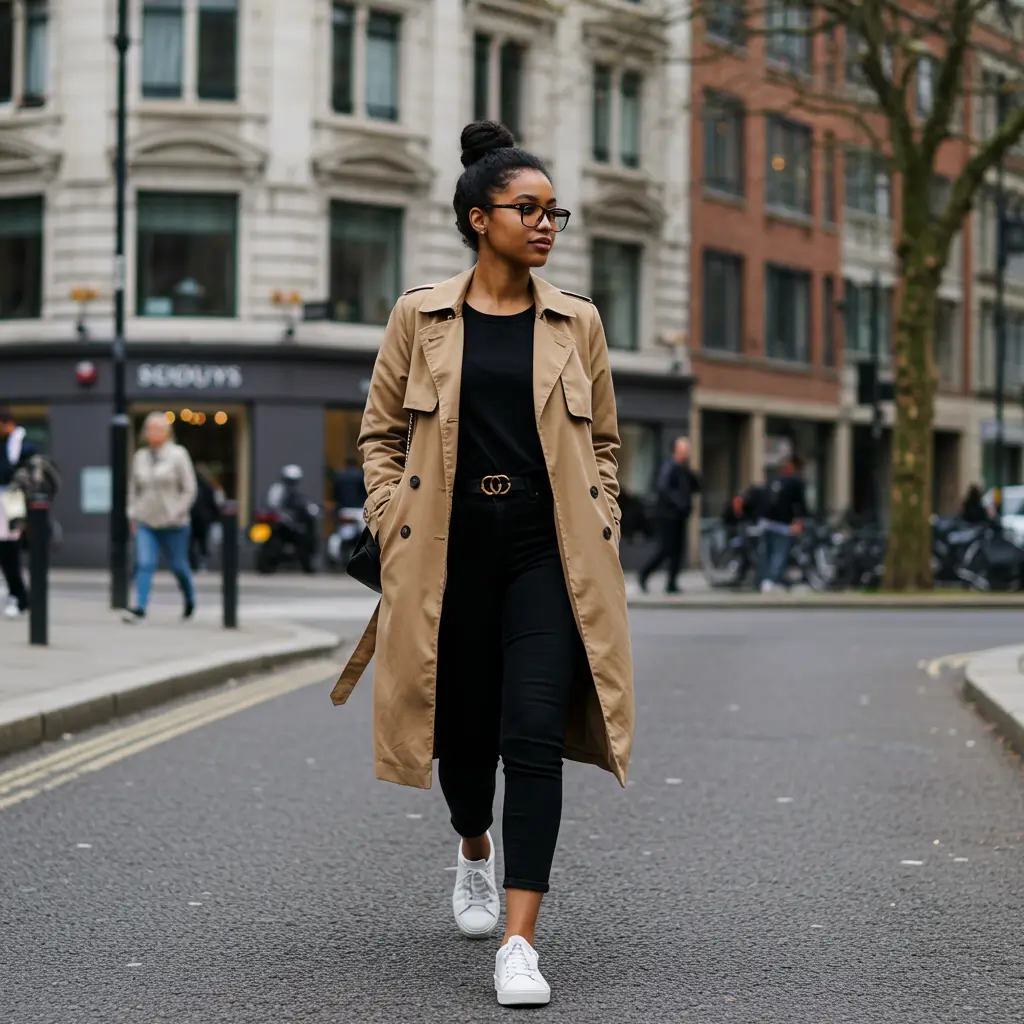
Wigs protect natural hair by covering it completely, allowing you to change styles without heat or chemicals on your own hair. Natural hair is usually braided flat underneath. Wigs range from short bobs to long curls and offer total versatility. They are ideal for trying bold colours or lengths without commitment.
Braid your natural hair into flat cornrows underneath and wear a breathable wig cap. Remove the wig nightly when possible and keep your natural hair moisturised. Our hair colour ideas for Black women guide shows colours to try without dyeing your own hair. Avoid gluing lace directly to your edges.
Best for: Total style versatility
- Wear time: Daily to weeks
- Install time: 30 minutes
- Best hair type: All types
- Tension level: Low
- Maintenance: Low to medium
6. Bantu Knots

Bantu knots are small, coiled buns spread across the head. They protect the ends of the hair and can be unravelled later to create a defined Bantu knot-out. They are culturally significant, quick to create and beautiful worn as is. They suit all ages and look beautiful for festivals.
Section the hair, twist each section and wrap it into a small knot, securing the ends underneath. Moisturise before twisting and sleep with a satin scarf. Wear for up to two weeks. Our 30 trending natural hairstyles for Black women guide shares more knot styles.
Best for: Quick, defined protection
- Wear time: 1–2 weeks
- Install time: 1–2 hours
- Best hair type: Coily, curly
- Tension level: Low
- Maintenance: Low
How to Care for Hair in a Protective Style
Moisture is essential. Use a lightweight leave-in spray or oil on your scalp and exposed hair two or three times a week. Focus on the roots and any visible lengths, as hair inside braids and twists can still become dry.
Keep your scalp clean. Cleanse every one to two weeks with diluted shampoo or a scalp cleanser, rinsing gently and drying thoroughly to prevent mildew. Avoid heavy products that cause buildup, and pay attention to any itching or tenderness, which can signal tension or dryness. Our ponytail hairstyles for Black hair guide shows gentler ways to wear braids up.
Protect your style at night with a satin bonnet, scarf or pillowcase, which reduces frizz and friction. Avoid pulling braids into very tight ponytails or buns, especially around the edges. When it is time to remove your style, take it down slowly, detangling gently with conditioner and patience. Follow up with a deep-conditioning treatment and a trim if needed before your next install. Our hair colour ideas for curly hair guide offers tips for keeping curls healthy between styles.
Protective Style Care Checklist
- Ask for low tension, especially around your hairline and edges.
- Use heat protectant before styling; the American Academy of Dermatology warns that frequent heat damages hair.
- If you colour your hair, follow American Academy of Dermatology guidance and keep lengths well conditioned.
- Moisturise your scalp and visible hair two or three times a week.
- Sleep in a satin bonnet or on a satin pillowcase.
- Remove styles on time and give your hair a rest between installs.
Frequently Asked Questions
What is a protective hairstyle?
A style that keeps the ends of your hair tucked away to reduce manipulation, friction and breakage.
Do protective styles help hair grow?
They help retain length by reducing breakage, which supports visible growth over time.
How long should I keep a protective style in?
Most styles last two to eight weeks. Avoid leaving them in longer to prevent matting.
Can protective styles damage hair?
Yes, if they are too tight or heavy. Ask for low tension and lightweight extensions.
How do I wash my hair in braids?
Cleanse the scalp with diluted shampoo every one to two weeks and dry thoroughly.
Are wigs a protective style?
Yes, when natural hair is braided underneath and kept moisturised.
Conclusion
Protective hairstyles are a powerful way to keep natural hair healthy, retain length and save styling time. Whether you choose box braids, cornrows, twists, locs, wigs or Bantu knots, the key is low tension, regular moisture and timely removal.
Use the tips in this guide to choose a protective style that suits your hair and lifestyle, and care for your hair throughout. With the right approach, protective styling will support strong, healthy hair throughout 2027.