How to Get a Wavy Hairstyle: 7 Easy Methods With and Without Heat for 2027

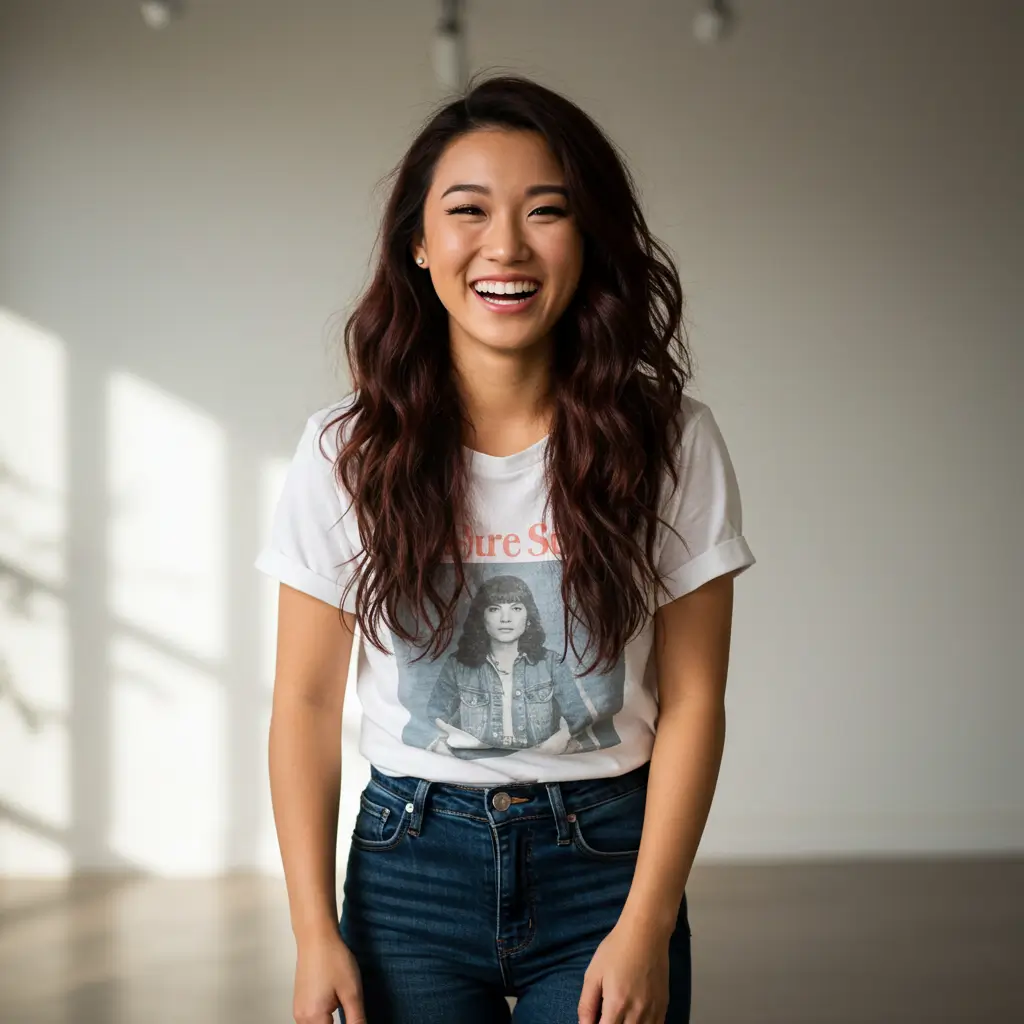
Wavy hair is one of the most flattering and versatile looks you can create. Soft, tousled waves add volume, movement and a relaxed feel that suits everyday life, holidays and special occasions alike. The good news is that you can create waves on almost any hair type, with or without heat.
This guide explains how to get a wavy hairstyle in 2027, from prepping your hair and choosing the right tools to step-by-step methods for both heat and heatless waves. You will also find seven wave techniques, including flat iron waves, curling wand waves, braid-outs, twist-outs, sea-salt scrunching, headband heatless waves and diffused natural waves.
Quick Overview
- Waves can be created with or without heat.
- Flat irons and wands give the fastest results.
- Braids, twists and headbands create heatless waves overnight.
- Heat protectant is essential for hot tools.
- Leaving the ends straight looks more modern.
- Texture spray helps waves last longer.
How to Prep Your Hair for Waves
Good waves start with good preparation. Begin with clean or second-day hair. Freshly washed hair can be too silky to hold waves, so many people prefer styling on day two. If your hair is very soft, add a little texture spray or mousse for grip.
Always apply a heat protectant before using flat irons, wands or blow-dryers. Heat protection reduces damage and helps waves look shiny rather than frizzy. For heatless methods, start with damp, not soaking, hair and apply a light mousse or curl cream so the waves set well.
Detangle thoroughly and divide your hair into manageable sections using clips. Smaller sections create tighter, more defined waves, while larger sections give looser, softer waves. Finally, choose the right method for your hair type and schedule. Hot tools are quick, while heatless methods take longer but protect your hair. Our hairstyles for greasy hair guide explains why second-day hair holds styles well.
Choosing the Right Wave Method
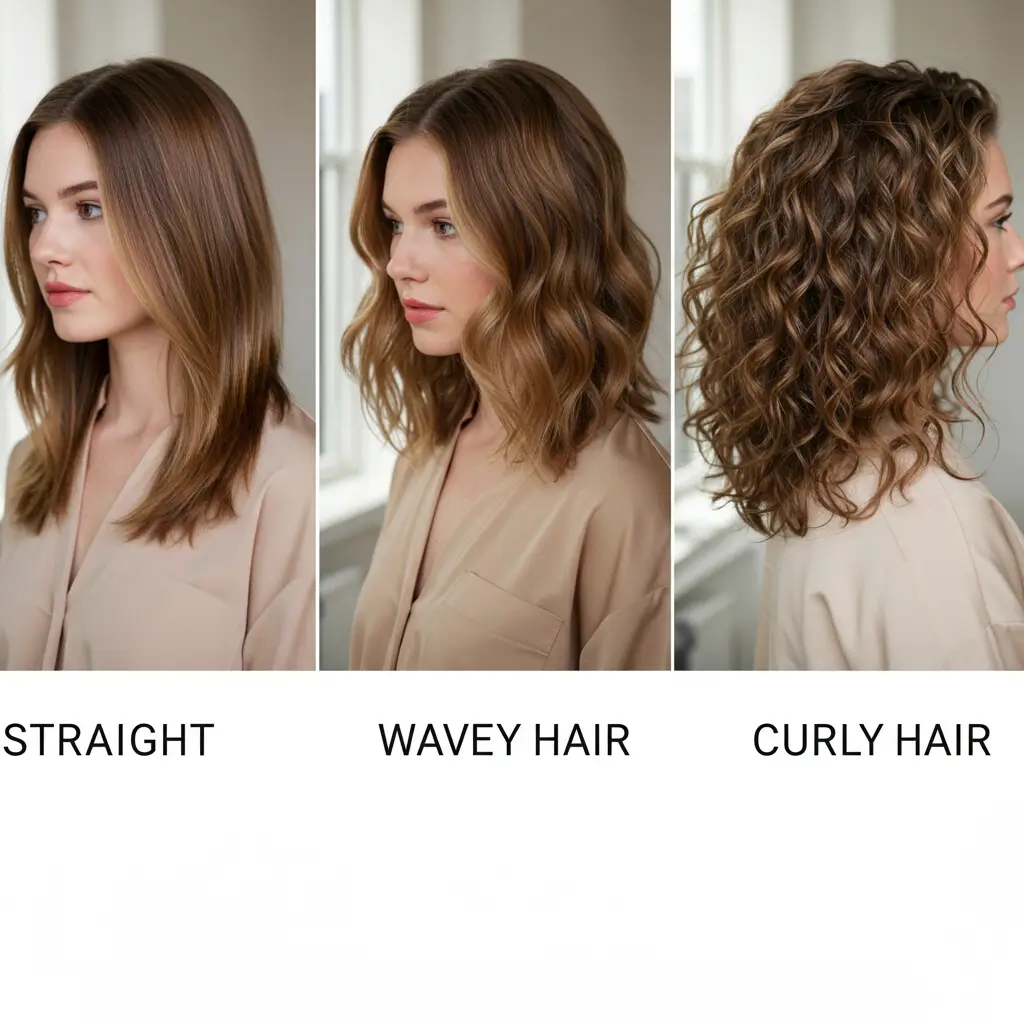
Your hair type and lifestyle help decide the best wave method. Straight, fine hair often needs hot tools, such as a curling wand or flat iron, to hold a wave. Use texture spray afterwards to help the waves last. Heatless methods can also work but may need a strong setting product.
Wavy hair already has natural movement, so scrunching with sea-salt spray or diffusing is often enough. Braid-outs and headband waves can enhance and define the natural pattern without heat. A soft mullet is one cut that shows waves beautifully. Curly and coily hair can be stretched into looser waves using twist-outs or braid-outs.
Think about time, too. Flat iron waves take about ten to fifteen minutes, while heatless waves need to set overnight. If you style daily, alternating between heat and heatless methods helps protect your hair from damage while keeping your waves looking fresh. Our how to style shoulder-length hairstyles guide shares more quick looks.
7 Ways to Get Wavy Hair
1. Flat Iron Beach Waves
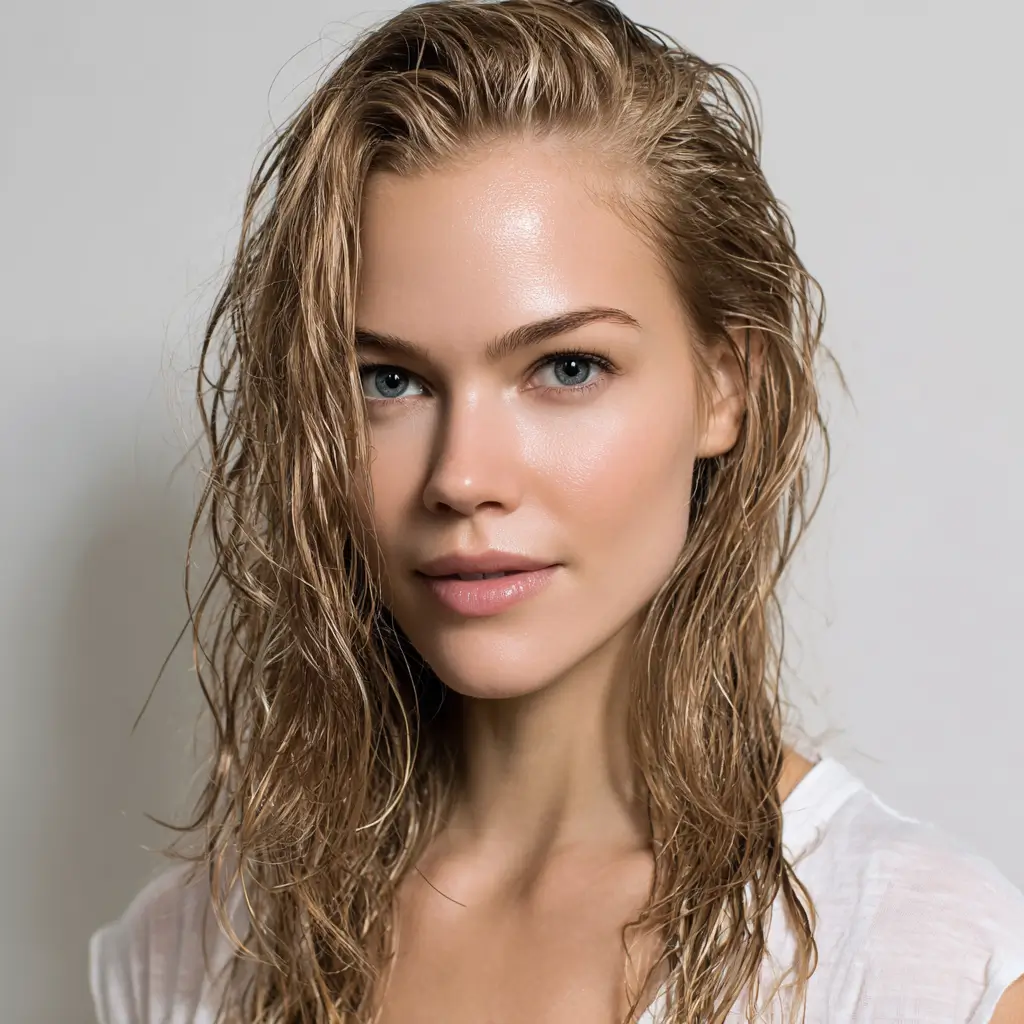
Flat iron beach waves are one of the fastest ways to create relaxed, tousled waves. By twisting the iron as you glide it down the hair, you create soft bends that look effortless and modern. The method works on most lengths and gives a slightly undone, beachy finish that is perfect for everyday wear.
Apply heat protectant, take one-inch sections and twist the flat iron half a turn as you slide it down, leaving the ends straight. Shake out with your fingers and finish with texture spray. Our shaggy lob guide shows a cut that suits these waves beautifully.
Best for: Quick everyday waves
- Method: Flat iron
- Heat needed: Yes
- Best hair type: Straight to wavy
- Time: 12 minutes
- Lasts: 1–2 days
2. Curling Wand Waves
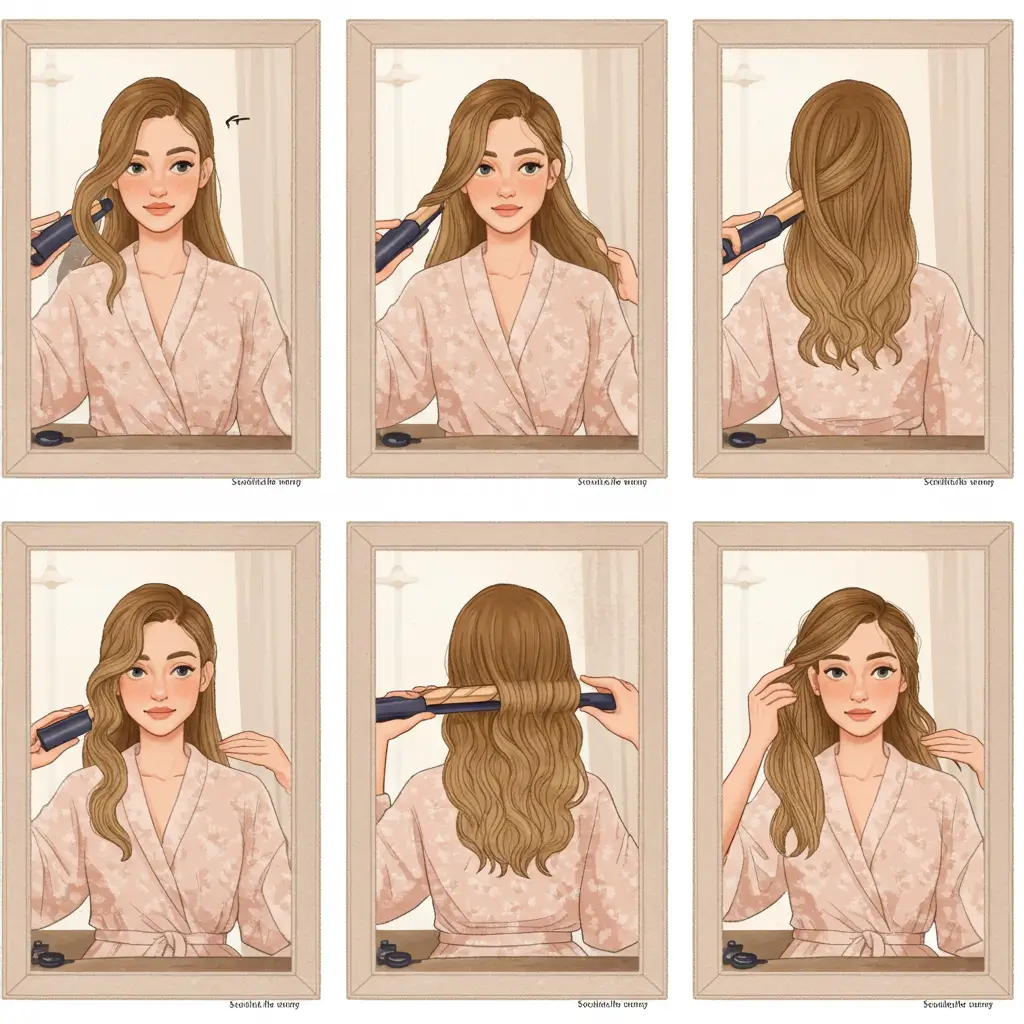
Curling wand waves create defined, bouncy waves that look polished yet natural. Alternating the direction of each section stops the waves from clumping together, giving a modern, lived-in finish. They are ideal for events, dates and photos. They suit all ages and every hair length from collarbone down.
Wrap one-inch sections around a large wand, alternating directions and leaving the ends out. Let each wave cool, then brush through gently with fingers. Set with flexible hairspray. The bounce recalls the 90s blowout. Use heat protectant every time, and hold each section for a few seconds for longer-lasting waves.
Best for: Polished bouncy waves
- Method: Curling wand
- Heat needed: Yes
- Best hair type: All types
- Time: 15 minutes
- Lasts: 1–2 days
3. Braid-Out Waves
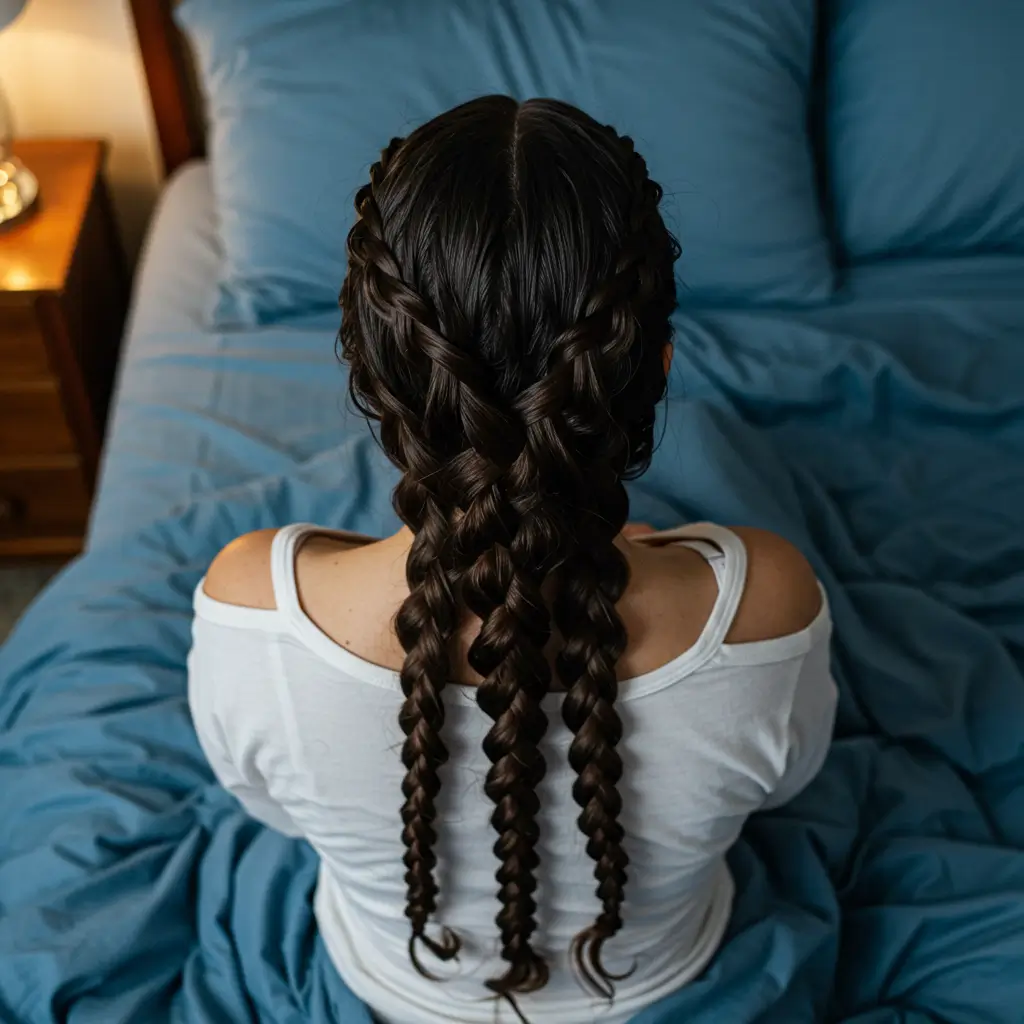
Braid-out waves are a heatless method that creates soft, crimped waves overnight. Damp hair is braided and left to dry, then released in the morning. It is gentle on hair and perfect for anyone avoiding heat damage. It suits all ages and makes a great second-day style too.
Apply a light mousse to damp hair, create two or more loose braids and sleep on them. Release and shake out in the morning. Our Dutch braid hairstyles guide explains braiding techniques. More braids create tighter waves; fewer braids create looser waves. Finish with texture spray.
Best for: Heat-free overnight waves
- Method: Braids
- Heat needed: No
- Best hair type: Straight to wavy
- Time: 5 minutes plus overnight
- Lasts: 2–3 days
4. Twist-Out Waves
Twist-out waves use two-strand twists or rope twists on damp hair to create soft, defined waves. The method suits medium to long hair and gives a gentle, natural texture without heat. It is especially popular for textured hair. It suits all ages and every season.
Twist small sections of damp hair with a curl cream, let them dry completely and unravel gently. Fluff the roots for volume. Our hair colour ideas for curly hair guide shows how colour enhances waves. Separate gently with your fingers to avoid frizz, and refresh with a water mist on second days.
Best for: Soft defined texture
- Method: Twists
- Heat needed: No
- Best hair type: Wavy to curly
- Time: 10 minutes plus drying
- Lasts: 2–3 days
5. Sea-Salt Scrunched Waves
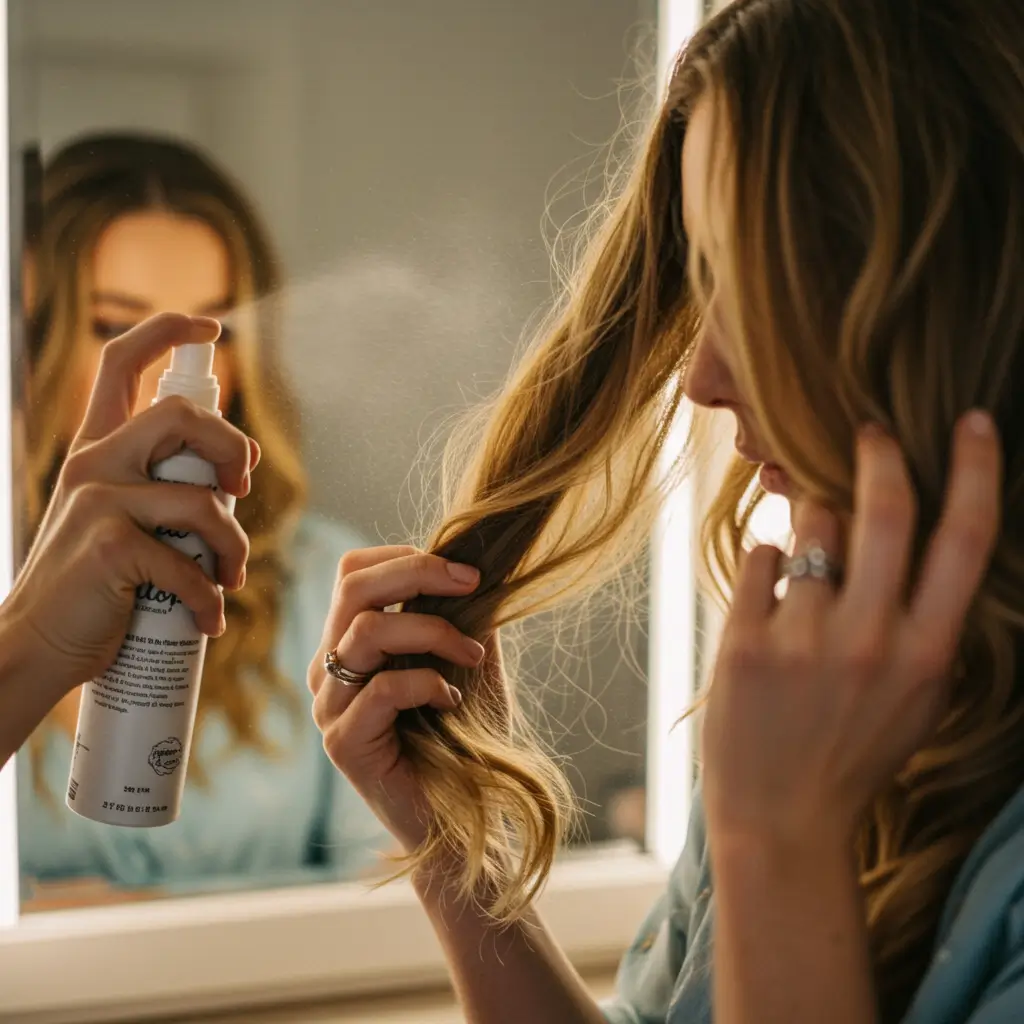
Sea-salt scrunched waves enhance natural wave patterns with a little texture spray and scrunching. It is the easiest, most natural method and works best on hair with some natural movement. The result looks relaxed and beachy. It suits all ages and casual, busy lifestyles. It needs minimal tools.
Spray sea-salt spray into damp hair, scrunch upward with your hands and air-dry or diffuse. Avoid touching while it dries. Our wavy wolf cut with bangs guide shows a cut that loves this method. A diffuser on low heat speeds drying while keeping the wave pattern intact and frizz-free.
Best for: Natural beachy texture
- Method: Scrunching
- Heat needed: Optional
- Best hair type: Wavy
- Time: 5 minutes
- Lasts: 1 day
6. Headband Heatless Waves
Headband heatless waves wrap hair around a soft headband or robe tie overnight, creating smooth, bouncy waves. It is a viral, gentle technique that gives a salon-like result with no heat at all. It suits all ages and every season, and it is perfect for busy mornings.
Place a soft headband or robe tie over your head, wrap damp sections of hair around it and secure the ends. Sleep on it and unwrap in the morning. Our Korean hairstyles for women guide shows similar soft waves. Mist with flexible hairspray for longer hold.
Best for: Heatless bouncy waves
- Method: Headband wrap
- Heat needed: No
- Best hair type: Straight to wavy
- Time: 10 minutes plus overnight
- Lasts: 2 days
7. Diffused Natural Waves

Diffused natural waves use a diffuser attachment to dry wavy hair while keeping its shape. The gentle airflow reduces frizz and boosts volume, making natural waves look fuller and more defined. It is ideal for wavy and curly textures. It suits all ages and every season.
Apply wave cream to soaking-wet hair, scrunch and diffuse on low heat, cupping sections in the diffuser bowl. Scrunch out any crunch once dry. Our layered haircut guide explains layers that help waves form. Sleep on satin to protect the waves, and refresh with water and a little cream in the morning.
Best for: Defined natural volume
- Method: Diffuser
- Heat needed: Low
- Best hair type: Wavy, curly
- Time: 15 minutes
- Lasts: 2 days
Tips to Make Waves Last Longer
Let waves cool before touching them. Hot hair is still pliable, so brushing or shaking it out too soon can loosen the shape. Allow each section to cool fully, then gently break it apart with your fingers.
Use the right finishing products. A flexible hairspray holds waves without making them stiff, while texture spray adds grip and lived-in movement. Avoid heavy oils, which can weigh waves down and make them fall flat. If your hair is fine, our haircuts for thin hair guide explains cuts that help waves hold.
Protect your waves overnight by sleeping on a silk pillowcase or loosely twisting your hair into a bun on top of your head. In the morning, refresh flattened sections with a quick touch-up from your wand or a spritz of water and texture spray. With these simple habits, your waves can last two to three days. Our long layered curly hair guide shares more texture tips.
How Do I Keep Wavy Hair Healthy?
- Wash two or three times a week with a sulphate-free shampoo.
- Use heat protectant before styling; the American Academy of Dermatology warns that frequent heat damages hair.
- If you colour your hair, follow American Academy of Dermatology guidance and keep lengths well conditioned.
- Alternate between heat and heatless wave methods.
- Deep condition weekly to keep waves soft and shiny.
- Sleep on a silk pillowcase to reduce frizz and protect waves.
Frequently Asked Questions
How can I get wavy hair without heat?
Try braid-outs, twist-outs or headband heatless waves overnight on damp hair.
Which tool makes the best beach waves?
A flat iron twisted half a turn or a large curling wand creates soft beach waves.
How do I make waves last longer?
Let waves cool, use texture spray and flexible hairspray and sleep on silk.
Can straight hair become wavy?
Yes. Hot tools and heatless methods both create waves on straight hair.
Should I leave the ends straight?
Leaving the ends straight gives a modern, relaxed finish.
How do I reduce frizz on waves?
Use heat protectant, avoid brushing and finish with a light serum or texture spray.
Conclusion
Wavy hair is easy to achieve once you know the right method for your hair type and routine. Whether you choose quick flat iron waves, polished wand curls, overnight braid-outs and twist-outs, simple sea-salt scrunching, viral headband waves or diffused natural waves, the key is good prep and the right finishing products.
Use the tips in this guide to find your favourite technique and keep your waves healthy. With a little practice, you can enjoy soft, beautiful waves throughout 2027.