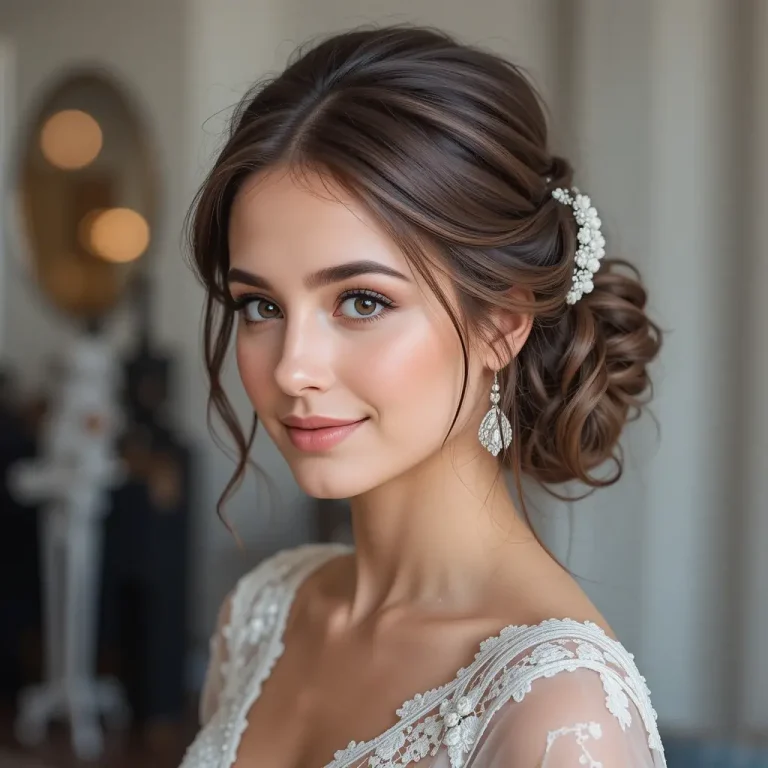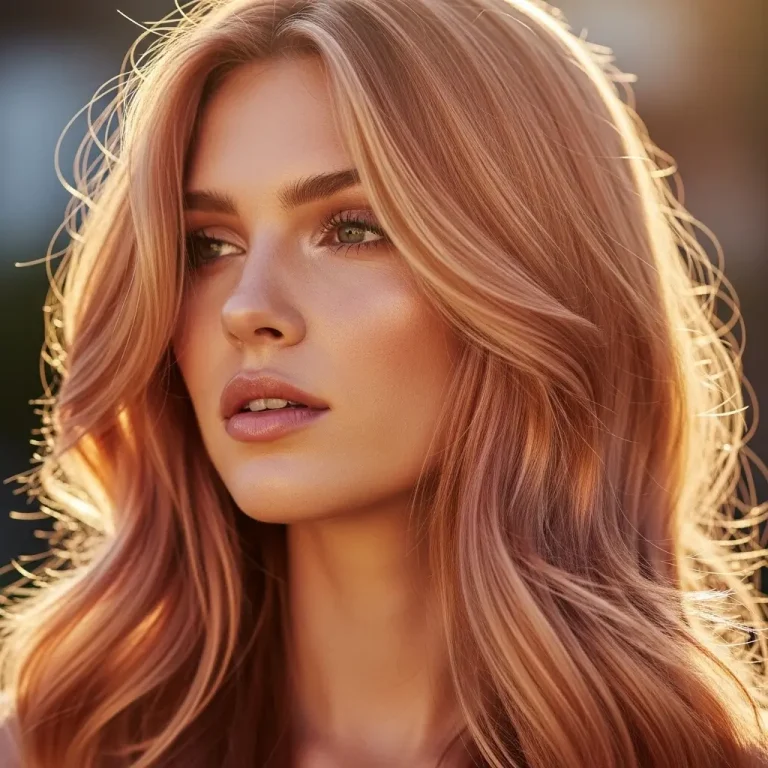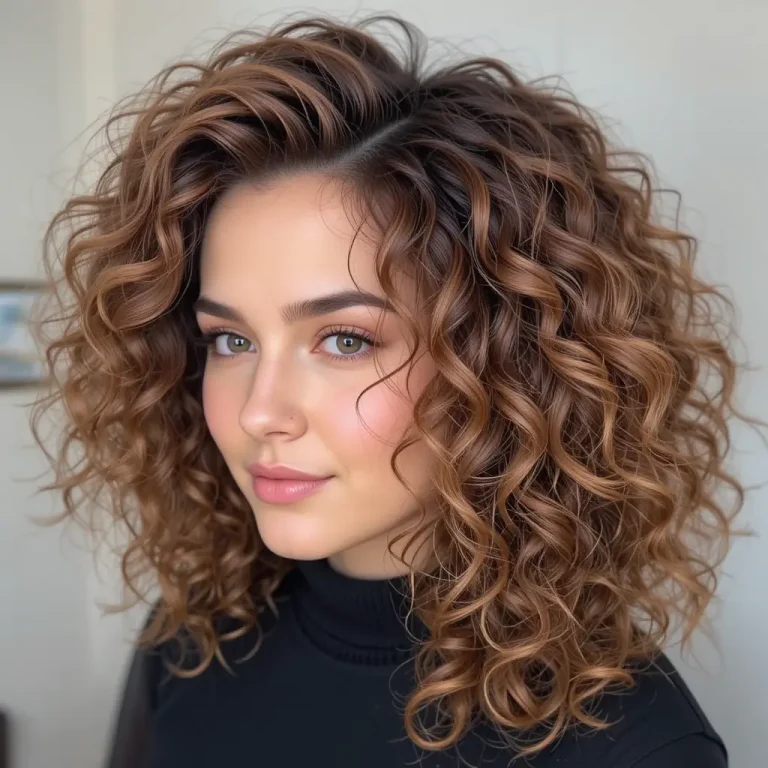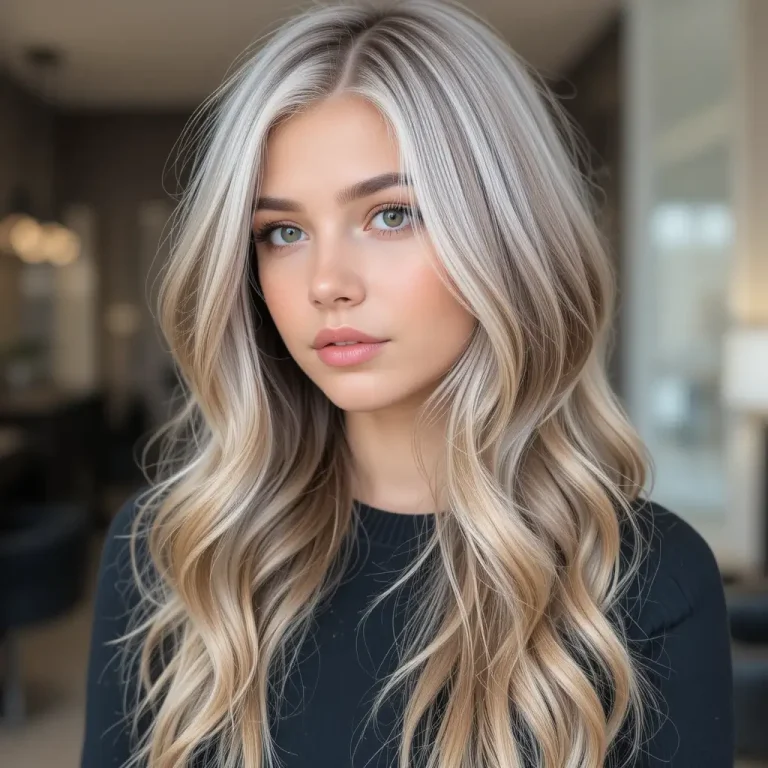
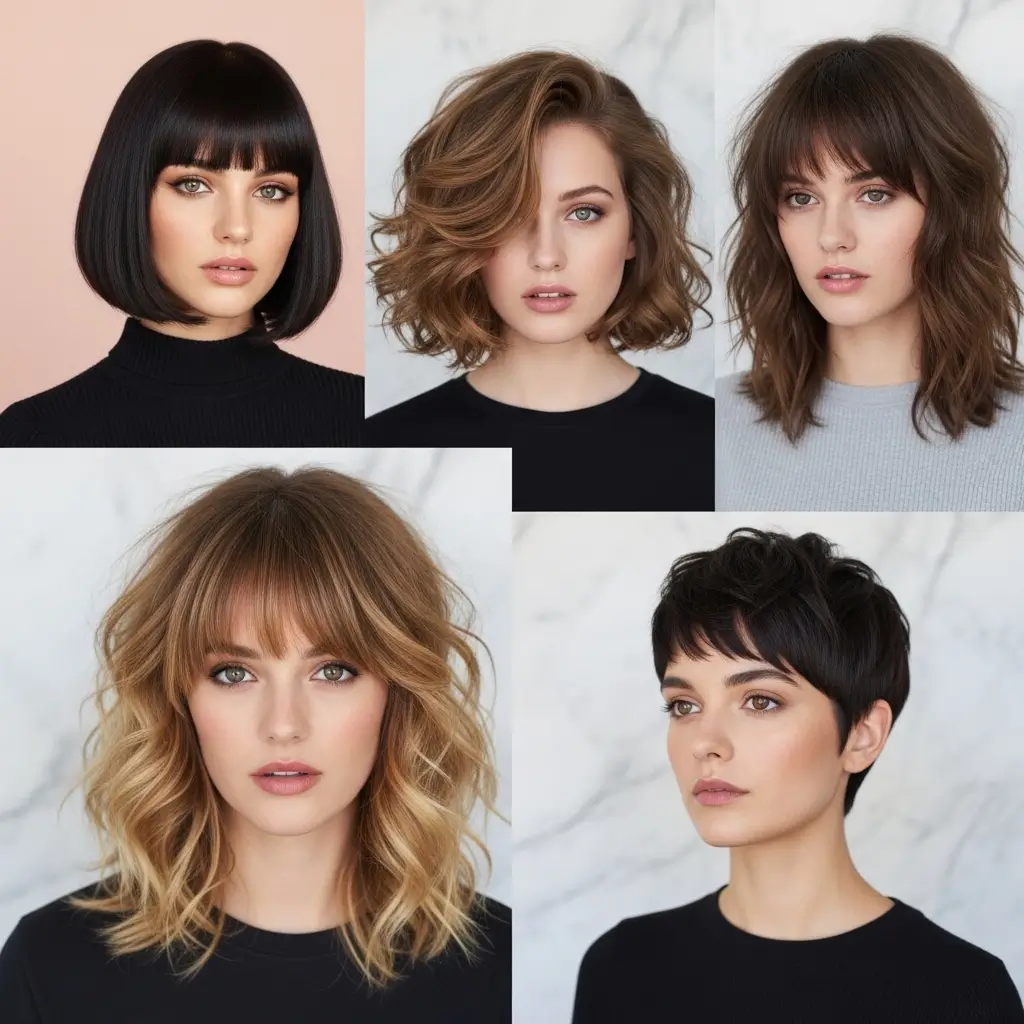
20 Best Haircuts & Hairstyles for Thin Hair to Look Fuller in 2027

Thin hair can look flat, see-through or limp in the wrong cut, but the right haircut can transform it, adding lift, density and movement that make it look noticeably fuller. Smart lengths, strong baselines and well-placed layers do most of the work, so styling becomes easier and your hair looks healthier every day in 2027.
This guide shares 20 of the best haircuts and hairstyles for thin hair, from blunt bobs and pixies to soft shags, butterfly cuts and long layers. Each idea explains why it adds fullness, how to style it and who it suits best, with quick specs on maintenance and trims.
Quick Overview
- Fullest-looking cuts: Blunt bob, French bob and micro bob.
- Best for crown volume: Stacked bob, pixie and textured pixie.
- Best for length: Collarbone cut, layered lob and long layers.
- Front density tricks: Curtain bangs and side-swept layers.
- Avoid: Heavy thinning, very long one-length hair and too many layers.
- Trim schedule: Every 5–8 weeks to keep ends dense.
What Makes a Haircut Good for Thin Hair?
The best haircuts for thin hair keep density at the ends and create lift at the roots. Blunt or lightly textured hemlines make the ends look thick, while a few strategic layers add movement and volume without removing too much hair. Shorter and medium lengths usually look fuller than very long styles.
Thin hair can mean fine individual strands, low density or both, and the right cut depends on which you have. Many readers who love this look go on to try haircuts for thin hair, while medium length hairstyles for thin hair and short hairstyles for thin fine hair offer different ways to keep the same easy, flattering spirit.
20 Haircuts for Thin Hair to Look Fuller in 2027
1. Blunt Bob
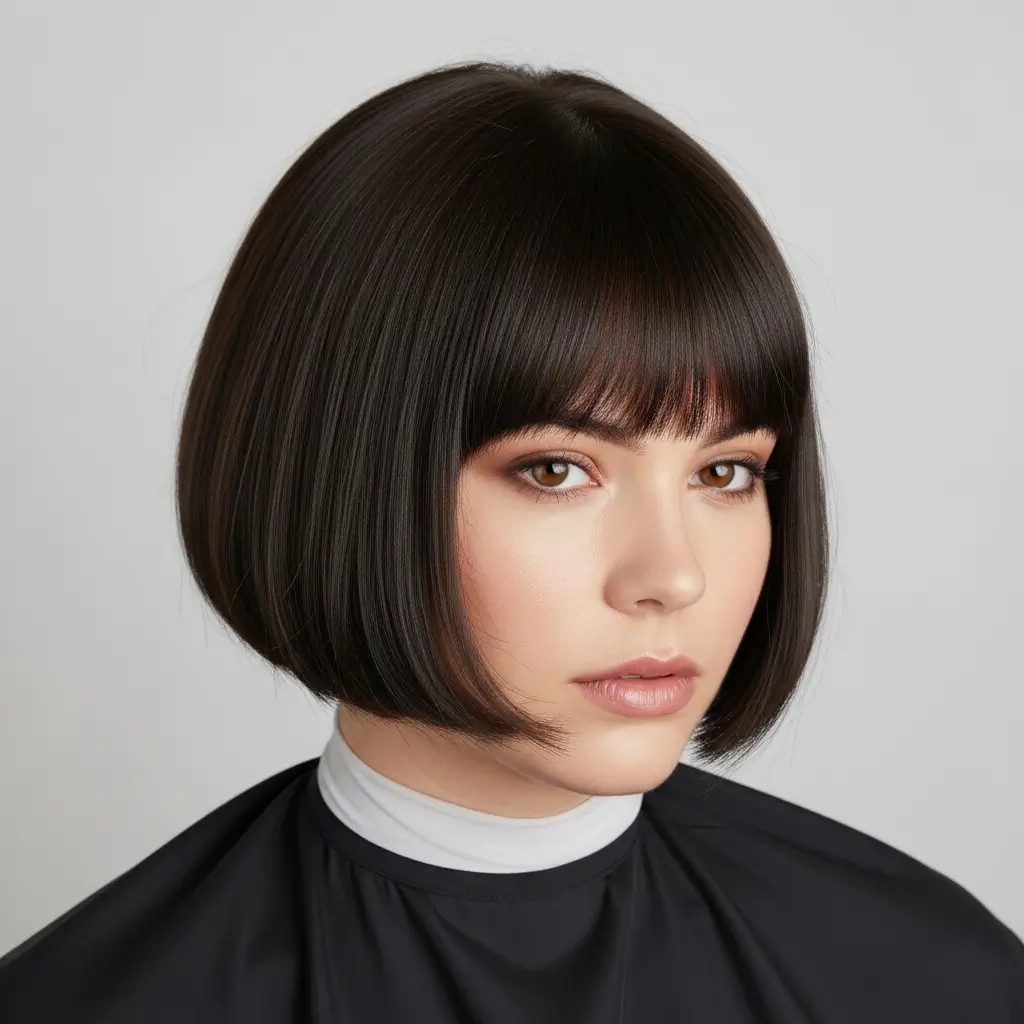
A blunt bob is the single most effective cut for making thin hair look fuller. Cutting every strand to the same length concentrates density at the hemline, so the ends look thick and solid instead of wispy. Sitting at the jaw or chin, it also lifts the face and keeps styling simple.
Blow-dry with a paddle brush, directing the roots up for lift, then smooth the ends straight down. Avoid heavy thinning or razor cutting, which removes precious density. Trims every five to six weeks keep the line sharp before the ends start to look see-through.
Best for: Fine or thin straight hair wanting the fullest possible-looking ends.
- Length: Jaw to chin length
- Maintenance: Low to medium
- Styling time: 10 minutes
- Trim every: 5–6 weeks
- Color touch-up: Optional
2. Layered Lob
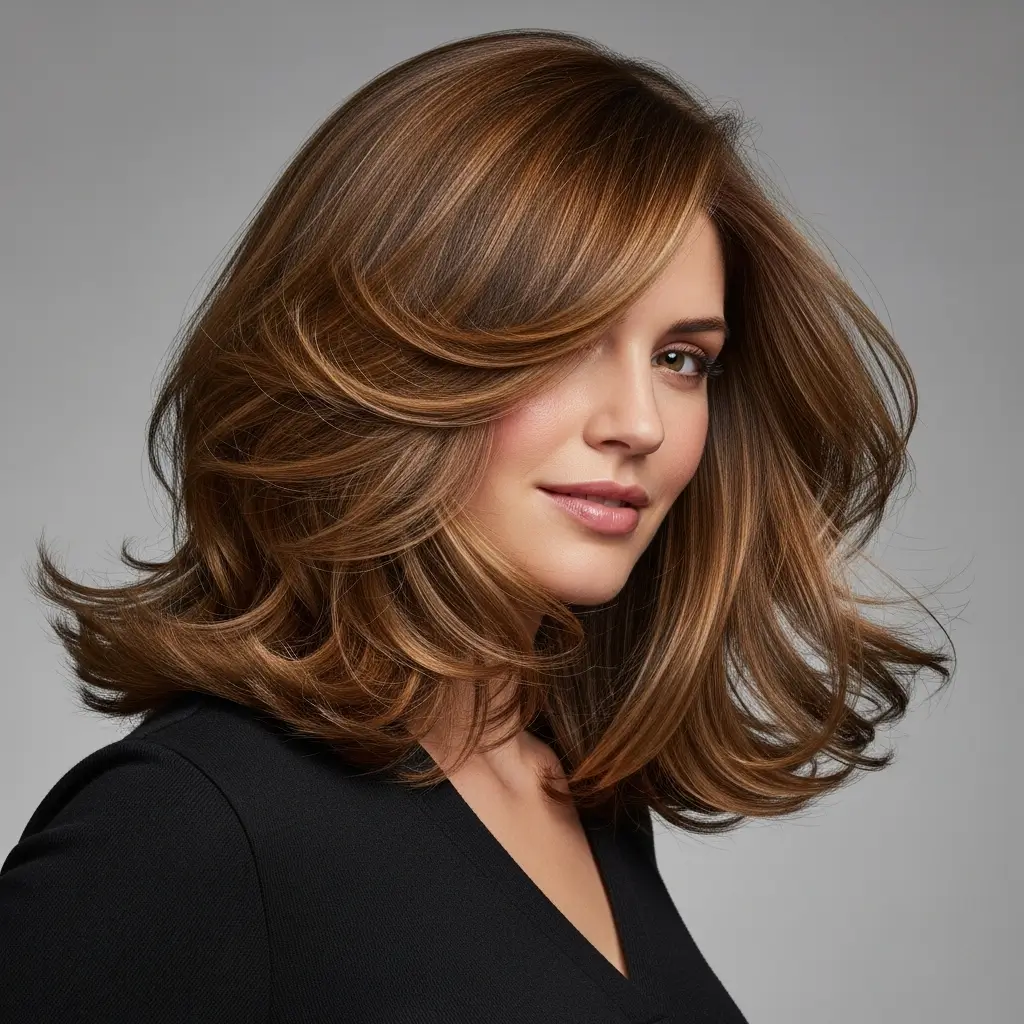
A layered lob keeps a strong collarbone baseline while adding a few long, soft layers on top for movement. The baseline holds density, and the layers create lift and bounce, so thin hair looks both full and lively instead of flat. It is a great choice for anyone who wants length.
Ask for long, minimal layers starting below the chin, never short choppy ones. Apply root-lifting mousse, blow-dry upside down, then finish with a large round brush. Trims every seven to eight weeks keep the ends healthy and dense. A light texture spray on day two revives the lift at the roots.
Best for: Thin hair wanting length, movement and a fuller look.
- Length: Collarbone length
- Maintenance: Low to medium
- Styling time: 10–15 minutes
- Trim every: 7–8 weeks
- Color touch-up: Optional
3. Curtain Bangs
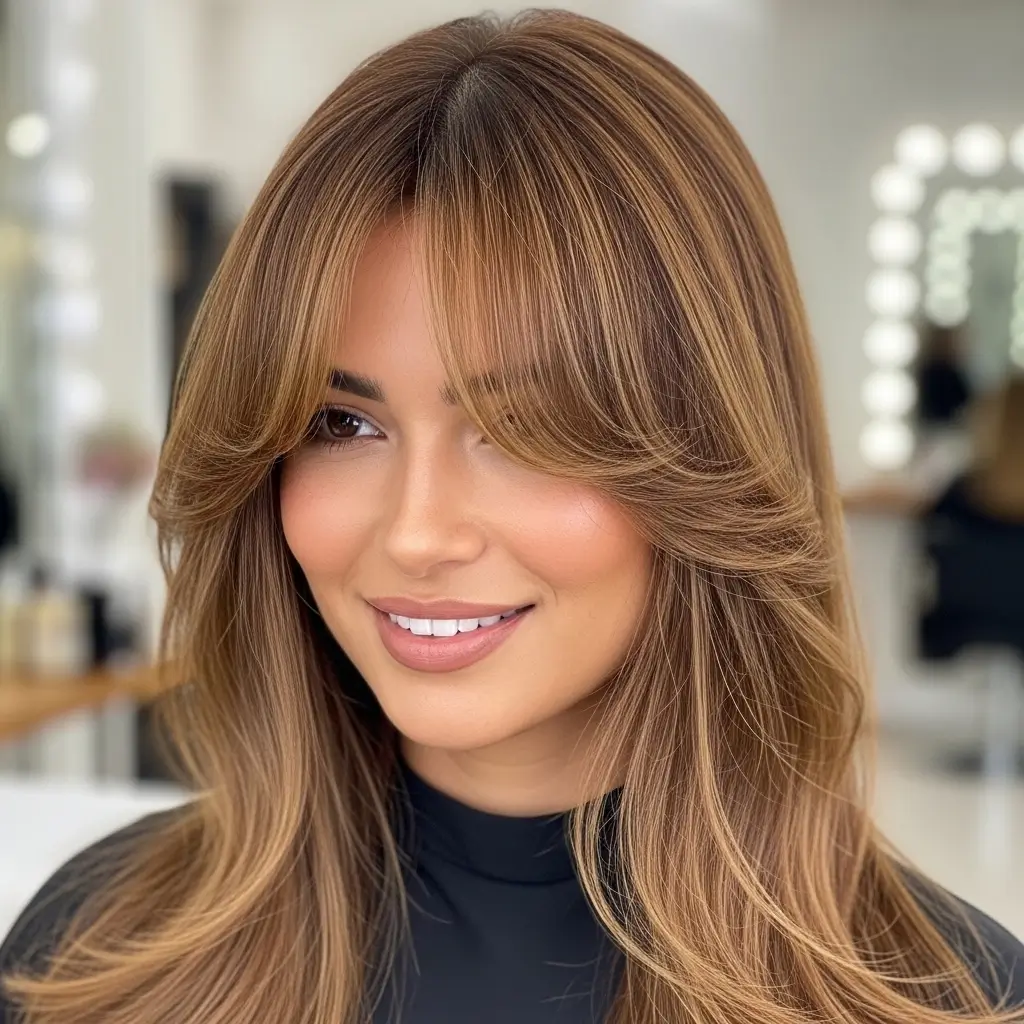
Curtain bangs are an easy volume trick for thin hair because they bring hair forward from the crown, creating the illusion of density at the front. They also hide a widening part or thinner hairline, and the soft sweep frames the face beautifully on any length.
Blow-dry the bangs immediately after washing, rolling each side outward with a small round brush. A light dry shampoo keeps them fresh and lifted. Avoid heavy creams near the hairline. Trim every three to four weeks to keep them at cheekbone length.
Best for: Thin hair with a wide part or thinner hairline wanting front density.
- Length: Bangs to cheekbone
- Maintenance: Low to medium
- Styling time: 5–10 minutes
- Trim every: 3–4 weeks bangs
- Color touch-up: Optional
4. Pixie Cut
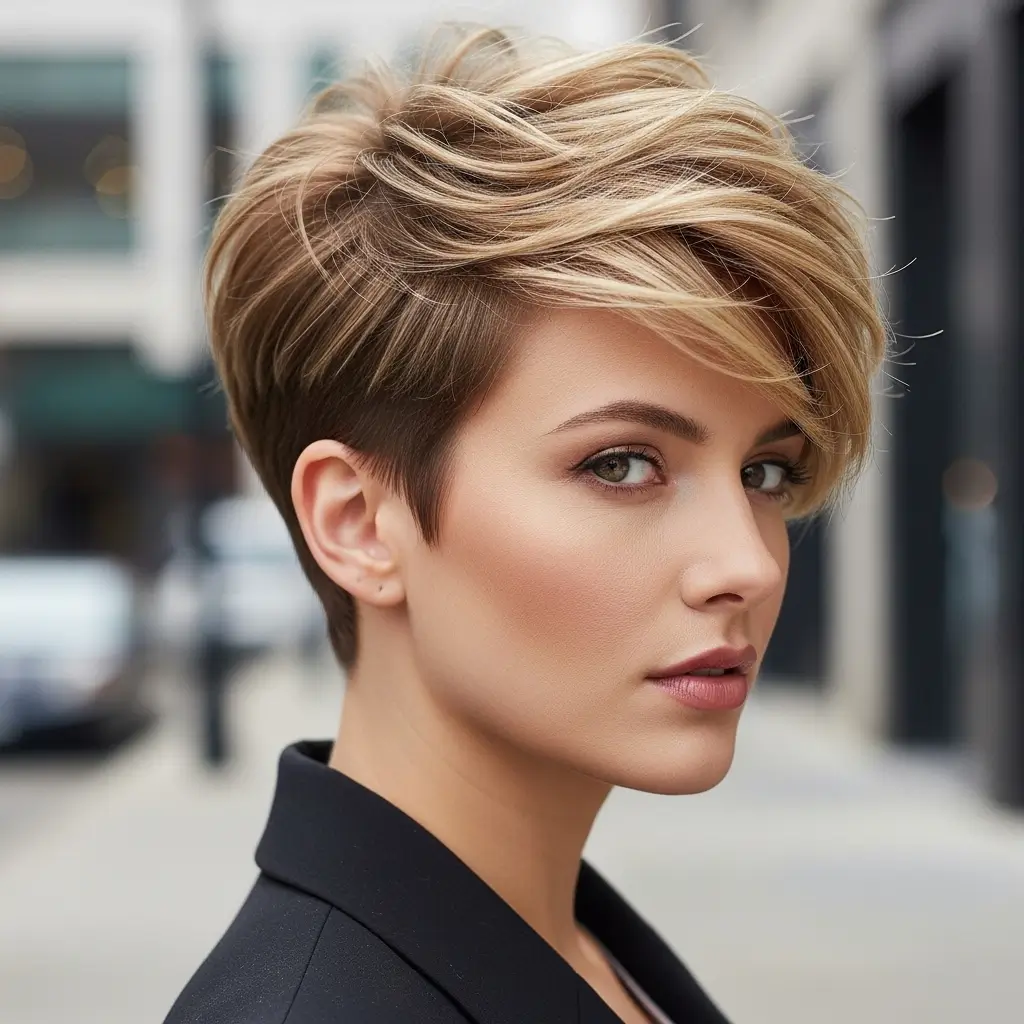
A pixie cut is a confident, freeing choice for thin hair. Short hair weighs nothing, so the roots stand up naturally, and cropping away fragile length makes every strand look stronger. A textured top creates the illusion of volume, as seen in our short haircuts for thin hair.
Work a small amount of matte paste through dry hair, lifting the crown with your fingertips. Avoid shiny products that reveal the scalp. Trims every four to six weeks keep the shape tidy and prevent the sides from looking sparse as they grow.
Best for: Very fine or thinning hair wanting maximum lift and low effort.
- Length: Cropped
- Maintenance: Very low
- Styling time: 5 minutes
- Trim every: 4–6 weeks
- Color touch-up: Optional
5. Shag Haircut
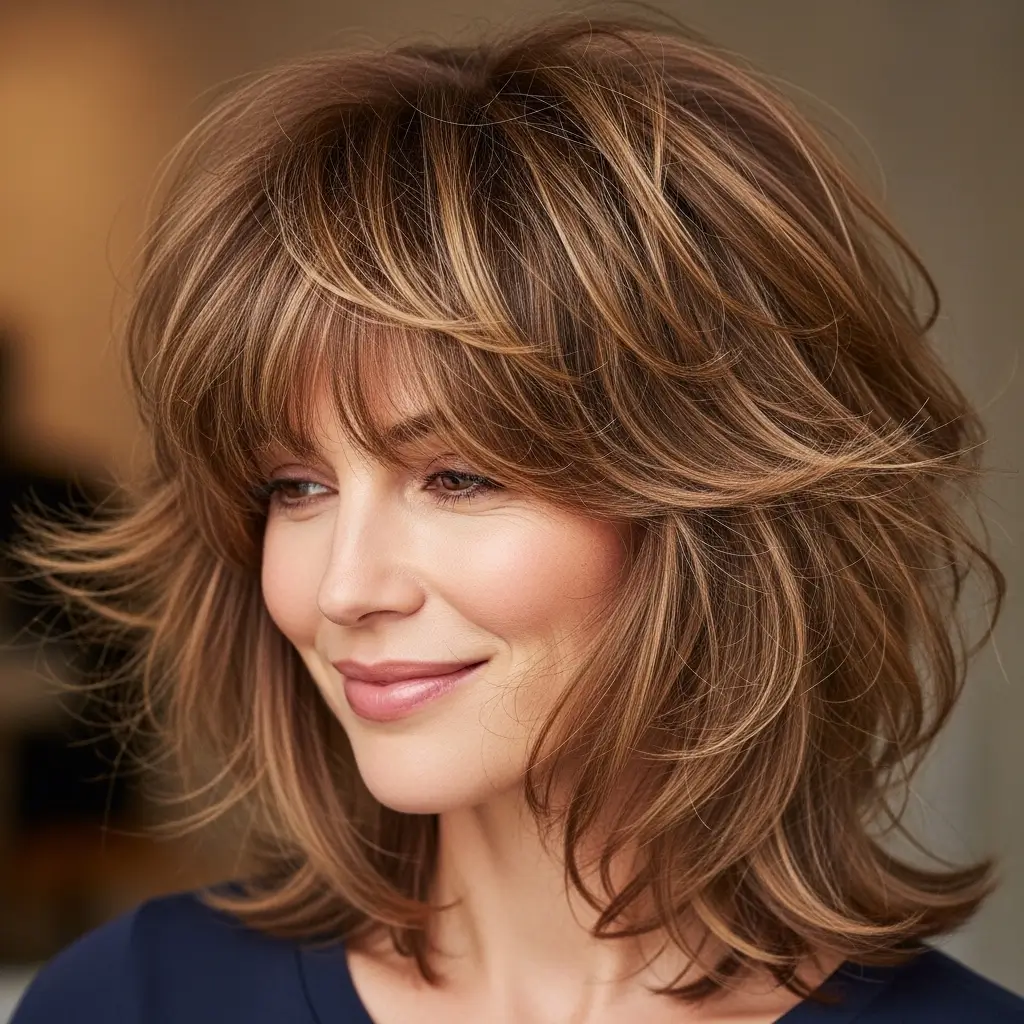
A shag uses choppy layers at the crown to create lift and texture, making thin hair look thicker and more energetic. The key is keeping enough weight at the ends, so ask for a softer shag with fewer layers, inspired by the shag haircut trend but adapted for fine density.
Spray texturizing mist on damp hair and rough-dry with your fingers, lifting at the roots. Add a few bends with a flat iron. Finish with dry texture spray for grip. Trims every six to eight weeks keep the layers balanced.
Best for: Fine or thin hair wanting texture and movement without flatness.
- Length: Chin to shoulder
- Maintenance: Low
- Styling time: 10 minutes
- Trim every: 6–8 weeks
- Color touch-up: Optional
6. Beach Waves Bob
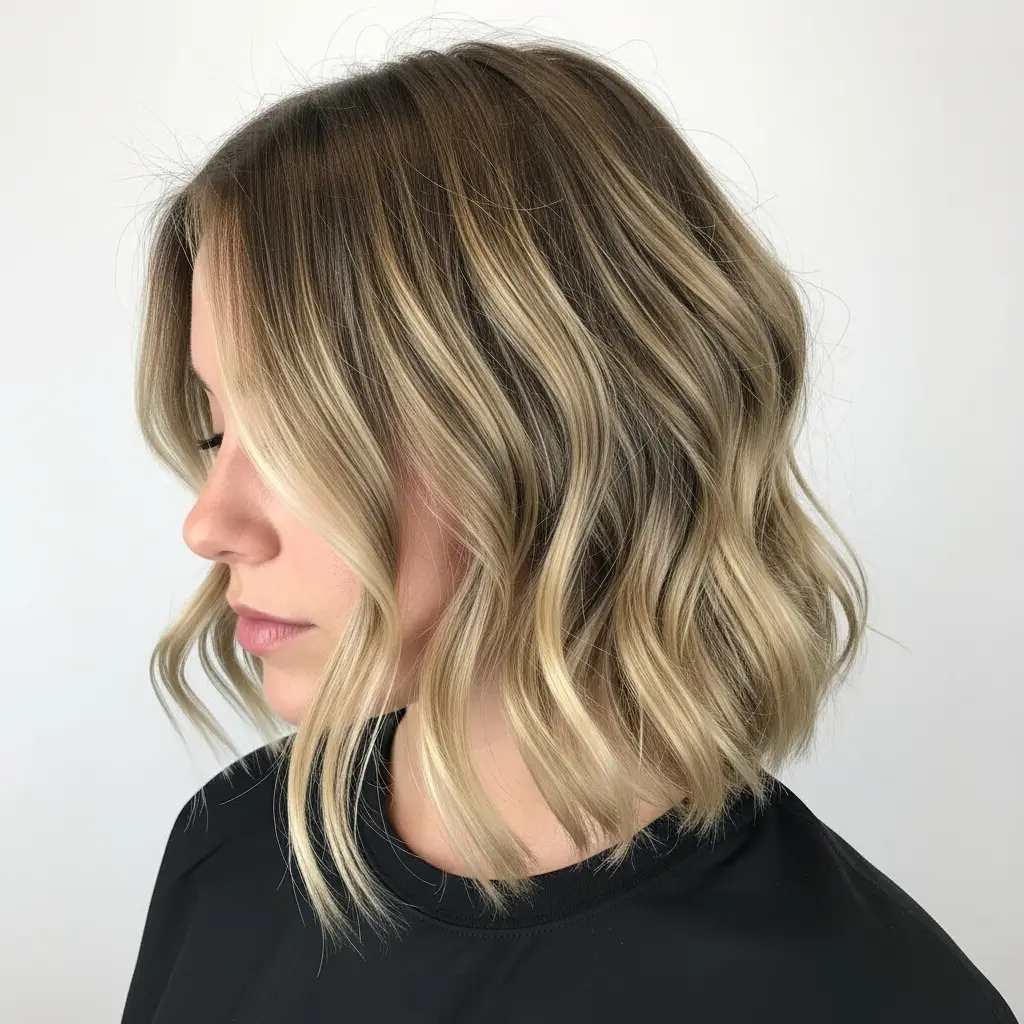
A bob styled with beachy waves adds width and texture that make thin hair look noticeably fuller. Waves create space between strands, giving the impression of more hair, and the bob length keeps the ends dense. It is relaxed and easy, perfect for everyday wear.
Spray sea salt mist into damp hair, rough-dry, then twist random sections around a flat iron. Shake out and finish with texture spray. Avoid heavy oils. Trims every six to eight weeks keep the bob line full and the waves bouncy.
Best for: Thin straight or wavy hair wanting relaxed, textured volume.
- Length: Chin to jaw length
- Maintenance: Low
- Styling time: 10 minutes
- Trim every: 6–8 weeks
- Color touch-up: Optional
7. Asymmetrical Bob
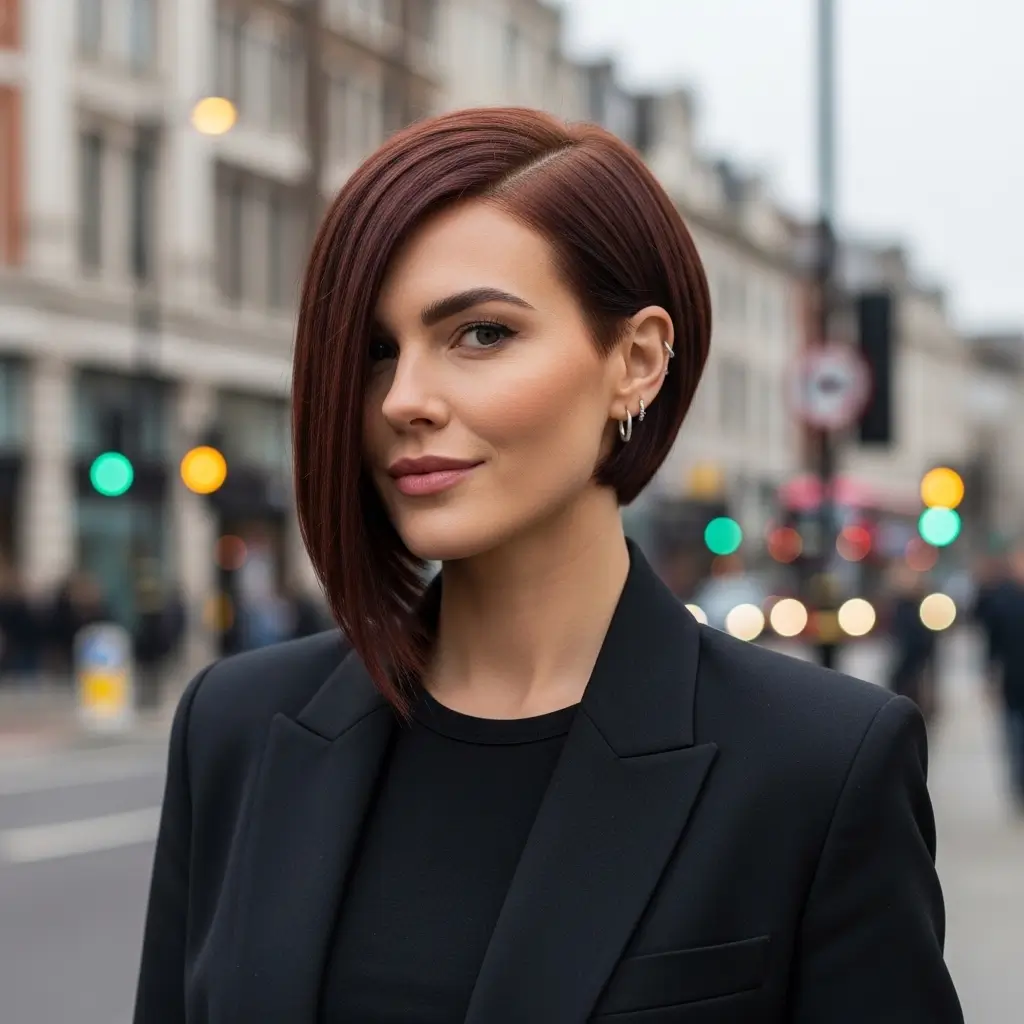
An asymmetrical bob adds visual interest and volume by keeping one side longer and building lift on the shorter side. The angle draws the eye to shape rather than density, and the deep side part instantly adds root volume, making thin hair look fuller and more styled.
Use a deep side part and blow-dry the roots against the part for lift. Smooth the longer side with a round brush. Trims every five to seven weeks keep the angle crisp and the ends dense. A light shine spray adds polish without weighing the hair down.
Best for: Thin hair wanting a modern, angular shape with added volume.
- Length: Ear to chin length
- Maintenance: Medium
- Styling time: 10 minutes
- Trim every: 5–7 weeks
- Color touch-up: Optional
8. Feathered Layers
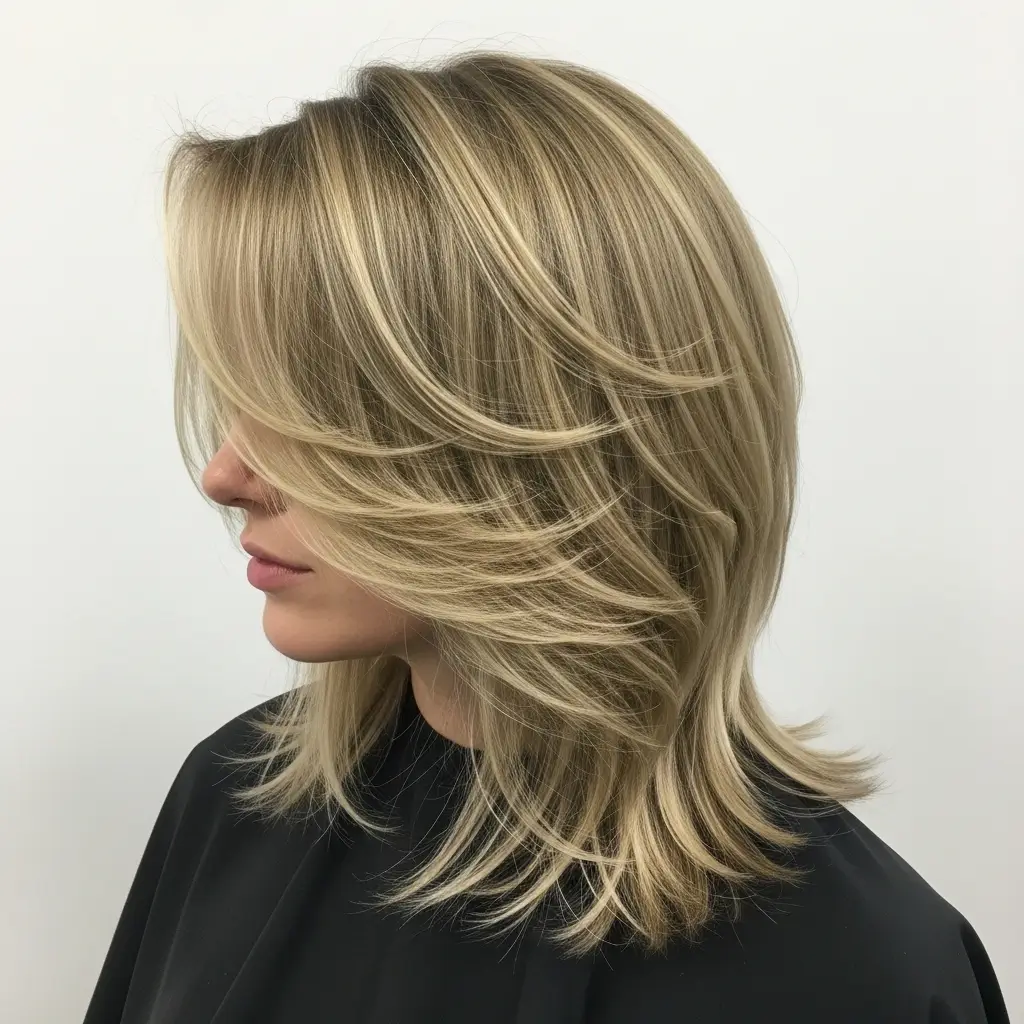
Feathered layers curve away from the face, creating airy volume and movement that disguise thin hair. When kept long and soft, they add lift without removing too much density, giving a timeless, bouncy finish that flatters most face shapes and hair lengths.
Blow-dry each layer with a round brush, rolling the ends outward. Use a lightweight volumizing spray at the roots. Ask your stylist to keep layers long and minimal. Trims every seven to eight weeks keep the feathered shape fresh. Velcro rollers at the crown add extra lift on special days.
Best for: Fine hair wanting soft, airy volume and a classic finish.
- Length: Chin to shoulder
- Maintenance: Medium
- Styling time: 15 minutes
- Trim every: 7–8 weeks
- Color touch-up: Optional
9. Stacked Bob
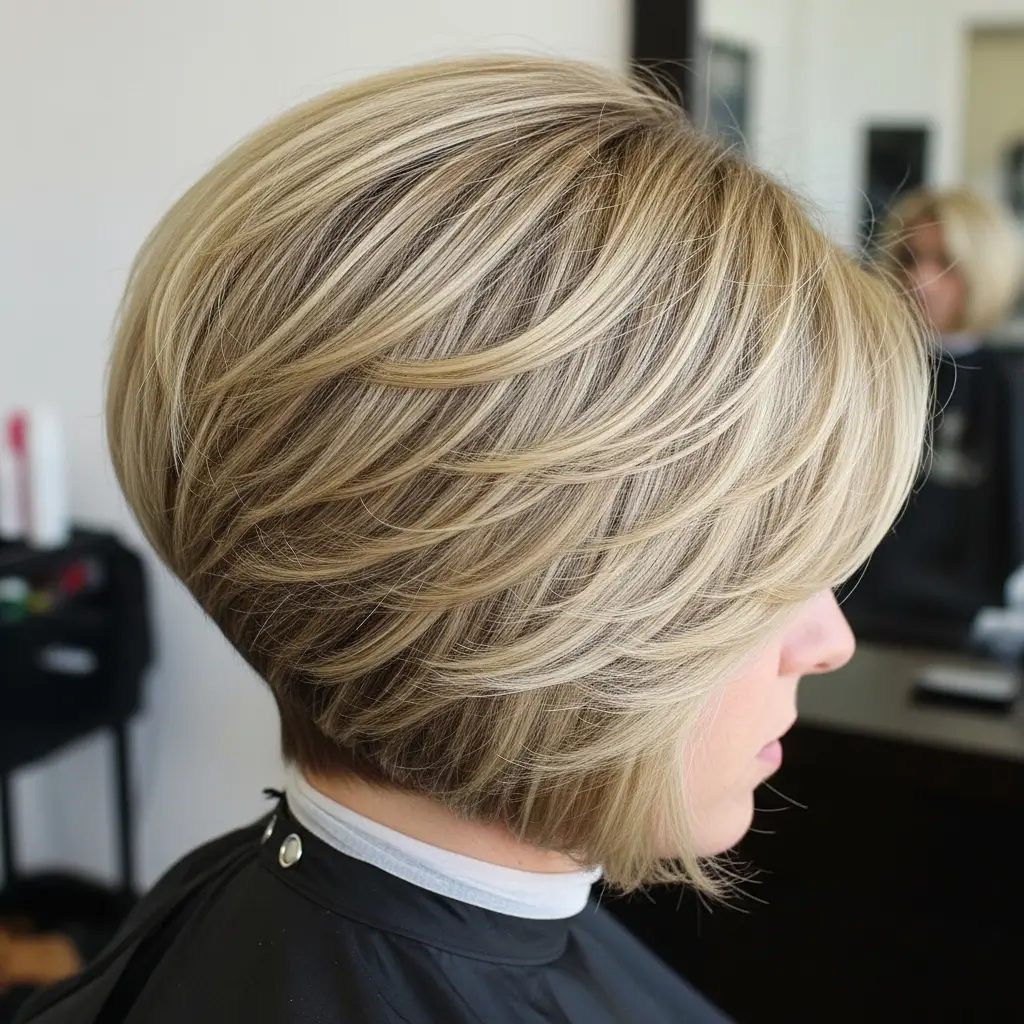
A stacked bob layers the back for maximum volume at the crown, which is where thin hair often looks flattest. The graduated shape pushes hair up and out, creating a rounded, full silhouette that looks thick and polished with very little daily styling.
Blow-dry the back with a round brush, lifting each stacked layer at the root. A volumizing mousse helps the shape last. Trims every five to six weeks keep the stacking defined and prevent the back from growing out flat. Ask for soft graduation so the stacking looks natural.
Best for: Thin hair that lacks crown volume and wants a full silhouette.
- Length: Short back, chin-length front
- Maintenance: Low to medium
- Styling time: 10 minutes
- Trim every: 5–6 weeks
- Color touch-up: Optional
10. Collarbone Cut
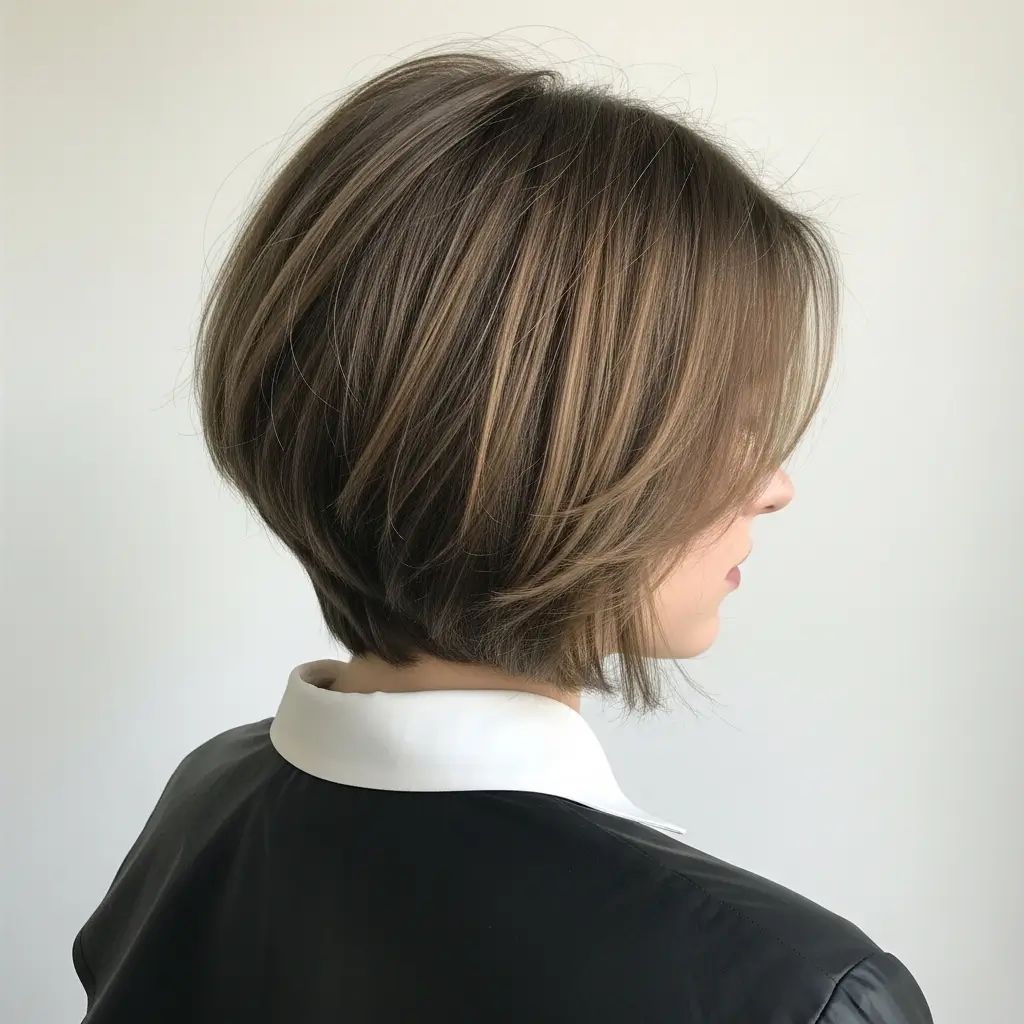
The collarbone cut, or clavicut, is the sweet spot for thin hair that wants length. It is long enough for versatility but short enough to keep the ends dense, and a blunt or lightly textured finish makes it look surprisingly thick, as seen in long hairstyles for fine hair.
Blow-dry with a large round brush or air dry with a light mousse. Keep the ends blunt. Add loose waves for extra width. Trims every eight weeks remove splits before they make the ends look thin. Soft highlights can add the illusion of extra density too.
Best for: Thin hair wanting a versatile length without sparse ends.
- Length: Collarbone length
- Maintenance: Low
- Styling time: 10 minutes
- Trim every: 8 weeks
- Color touch-up: Optional
11. Soft Shag With Bangs
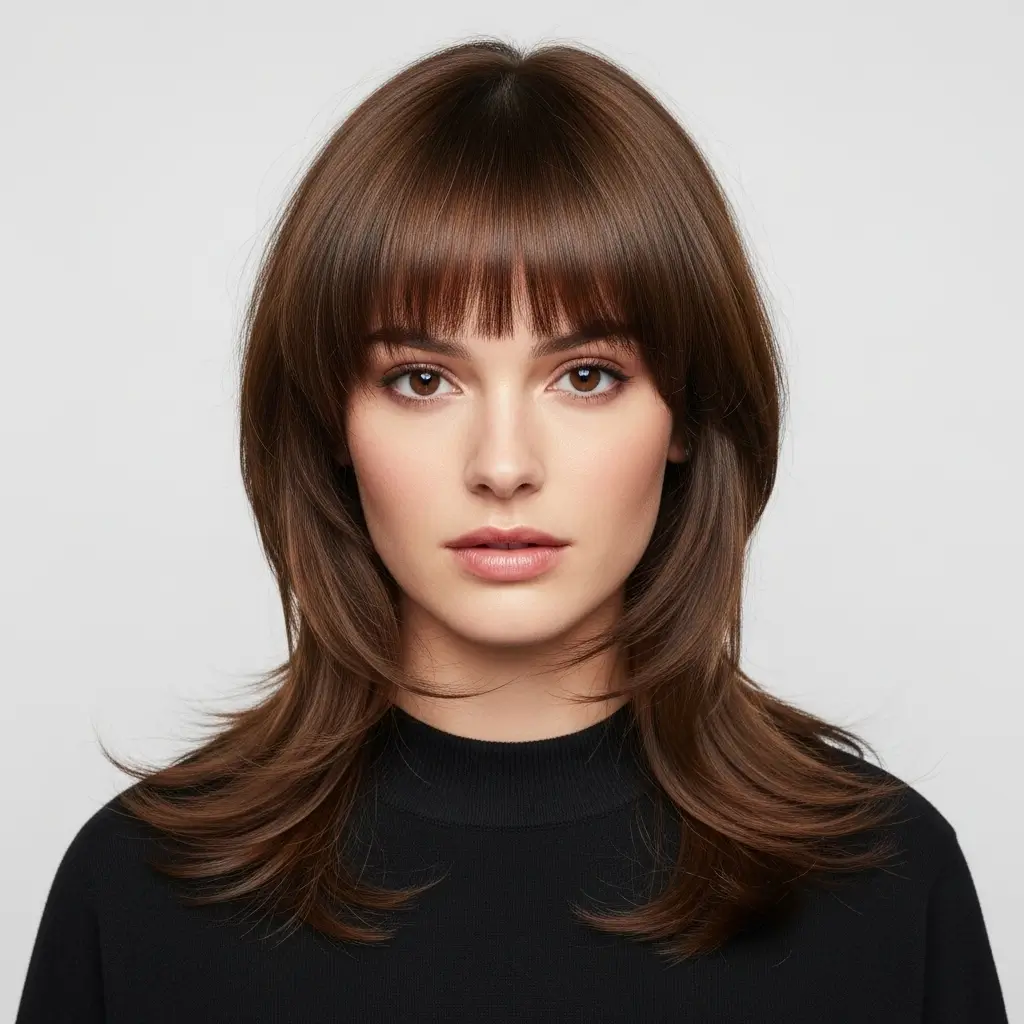
A soft shag with bangs combines two volume tricks in one cut. The bangs add density at the front, and gentle shag layers lift the crown, so thin hair looks fuller from every angle. It is a playful, flattering and low-maintenance choice. It is especially flattering on oval and long faces.
Blow-dry the bangs first, then rough-dry the rest with texture spray. Keep layers soft and long. Trim bangs every three to four weeks and the shag every seven to eight weeks. Sleeping on silk keeps the bangs smooth and the layers bouncy overnight.
Best for: Thin hair wanting front density, lift and a playful look.
- Length: Chin to shoulder with bangs
- Maintenance: Low to medium
- Styling time: 10 minutes
- Trim every: 7–8 weeks
- Color touch-up: Optional
12. French Bob

A French bob sits between the cheekbone and chin, often with soft bangs, giving thin hair a chic, compact shape. The short length keeps every strand dense, and the slightly undone texture makes hair look fuller and more styled than it really is.
Air dry with texture spray or rough-dry with your fingers. Keep bangs soft and slightly messy. Trims every five to six weeks keep the bob short and the ends dense. A light texture spray on the ends adds a chic, piecey finish that looks fuller.
Best for: Thin hair wanting a chic, compact and effortless cut.
- Length: Cheekbone to chin
- Maintenance: Low
- Styling time: 5–10 minutes
- Trim every: 5–6 weeks
- Color touch-up: Optional
13. Micro Bob
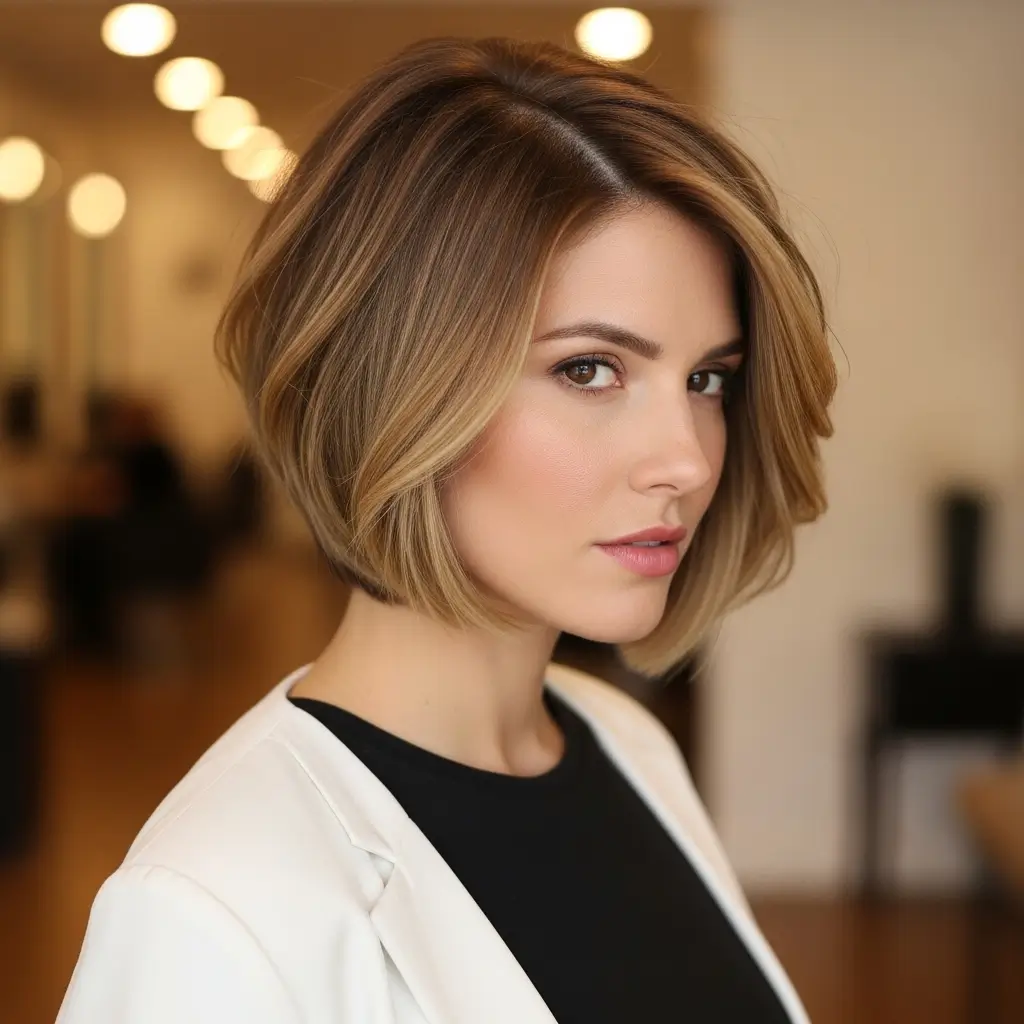
A micro bob is cut very short, around the cheekbones or ear, for maximum bounce and lift. With so little length, thin hair springs up and looks thick at the edges, giving a bold, fashion-forward look that is incredibly easy to wear.
Blow-dry with a small round brush for lift or air dry with a little texture spray. Trims every four to five weeks keep the micro length crisp, since even small growth changes the shape. Pair it with soft micro bangs for an even bolder, editorial look.
Best for: Thin hair and bold personalities wanting a striking, bouncy cut.
- Length: Cheekbone to ear length
- Maintenance: Low
- Styling time: 5–10 minutes
- Trim every: 4–5 weeks
- Color touch-up: Optional
14. Butterfly Cut
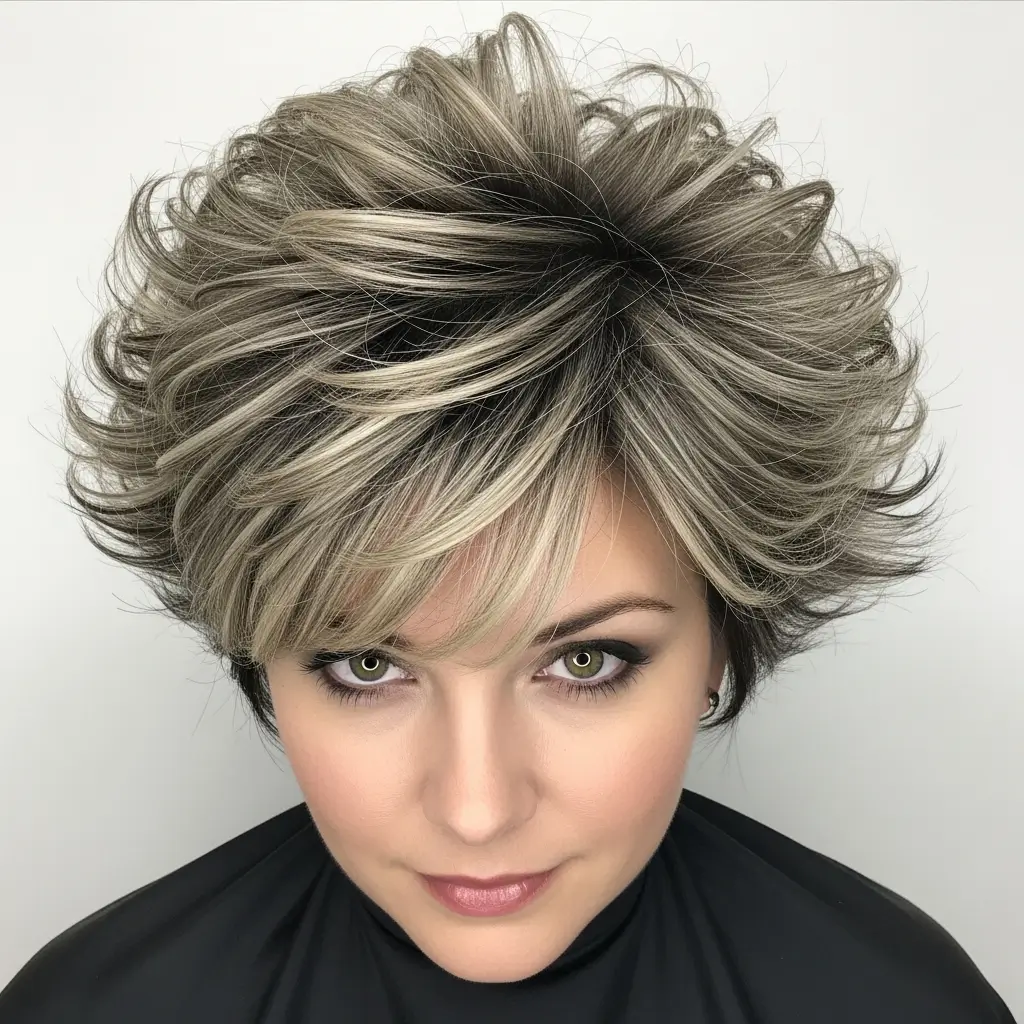
A butterfly cut uses short face-framing layers on top and longer lengths underneath, creating the look of a shorter, fuller cut from the front while keeping length. For thin hair, ask for fewer layers so the ends stay dense, inspired by our butterfly haircut ideas.
Blow-dry with a large round brush, flipping the top layers away from the face. Velcro rollers at the crown add lift. Trims every eight weeks keep the face-framing layers bouncy. Keep the underneath layers blunt so the ends never look stringy.
Best for: Thin hair wanting length with front volume and movement.
- Length: Below the shoulders
- Maintenance: Medium
- Styling time: 15–20 minutes
- Trim every: 8 weeks
- Color touch-up: Optional
15. Wolf Cut
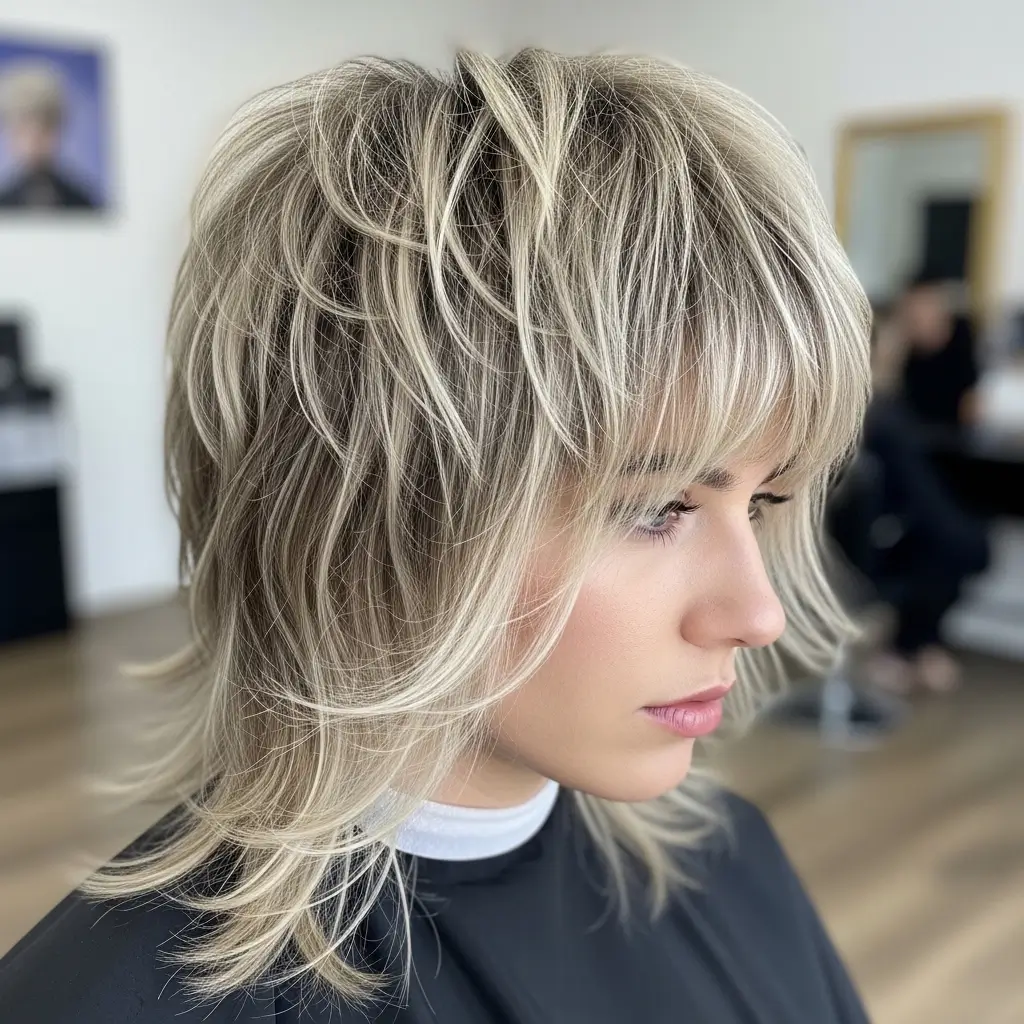
A wolf cut adds choppy texture at the crown and sides with length at the back, giving thin hair an edgy, voluminous look. The piecey layers create separation and movement that disguise low density, and a softened version keeps the ends from looking sparse.
Rough-dry with sea salt spray and scrunch for texture. Use a matte paste on the crown pieces. Ask for a softer wolf cut with fewer layers. Trims every six to eight weeks keep the shape defined. Avoid heavy waxes, which can separate thin hair too much.
Best for: Thin hair wanting an edgy, textured and voluminous style.
- Length: Chin to shoulder
- Maintenance: Low
- Styling time: 10 minutes
- Trim every: 6–8 weeks
- Color touch-up: Optional
16. Side-Swept Layers
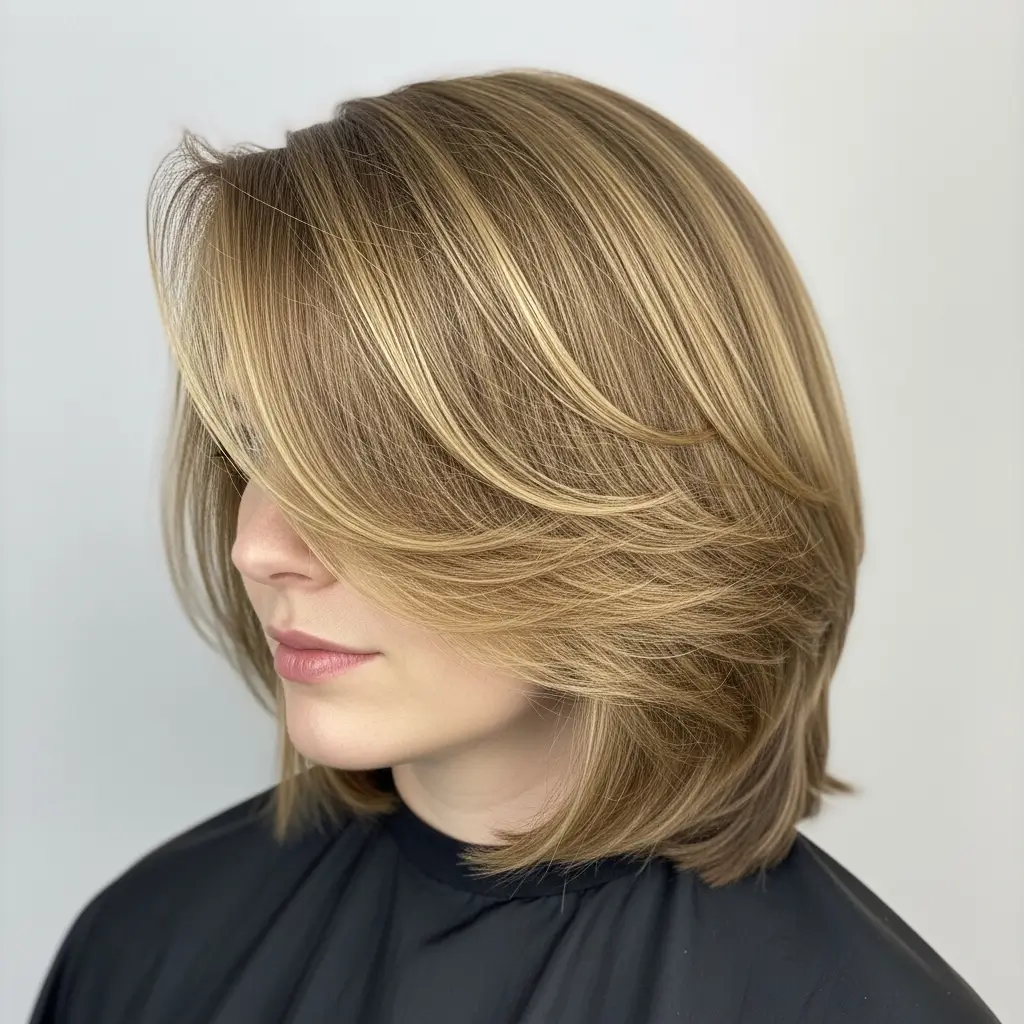
Side-swept layers combined with a deep side part instantly add volume, as hair is lifted at the root and moved across the head. The diagonal sweep also hides thinner areas at the part and crown, making this one of the simplest tricks for fuller-looking hair.
Blow-dry the roots in the opposite direction first, then flip to the side part. Curve the front layers across with a round brush. Change your part occasionally for fresh lift. Trims every eight weeks keep layers balanced. Dry shampoo at the part adds grip and keeps the volume in place.
Best for: Thin hair with a visible part wanting easy volume.
- Length: Shoulder length or longer
- Maintenance: Low
- Styling time: 10 minutes
- Trim every: 8 weeks
- Color touch-up: Optional
17. Voluminous Blowout Bob
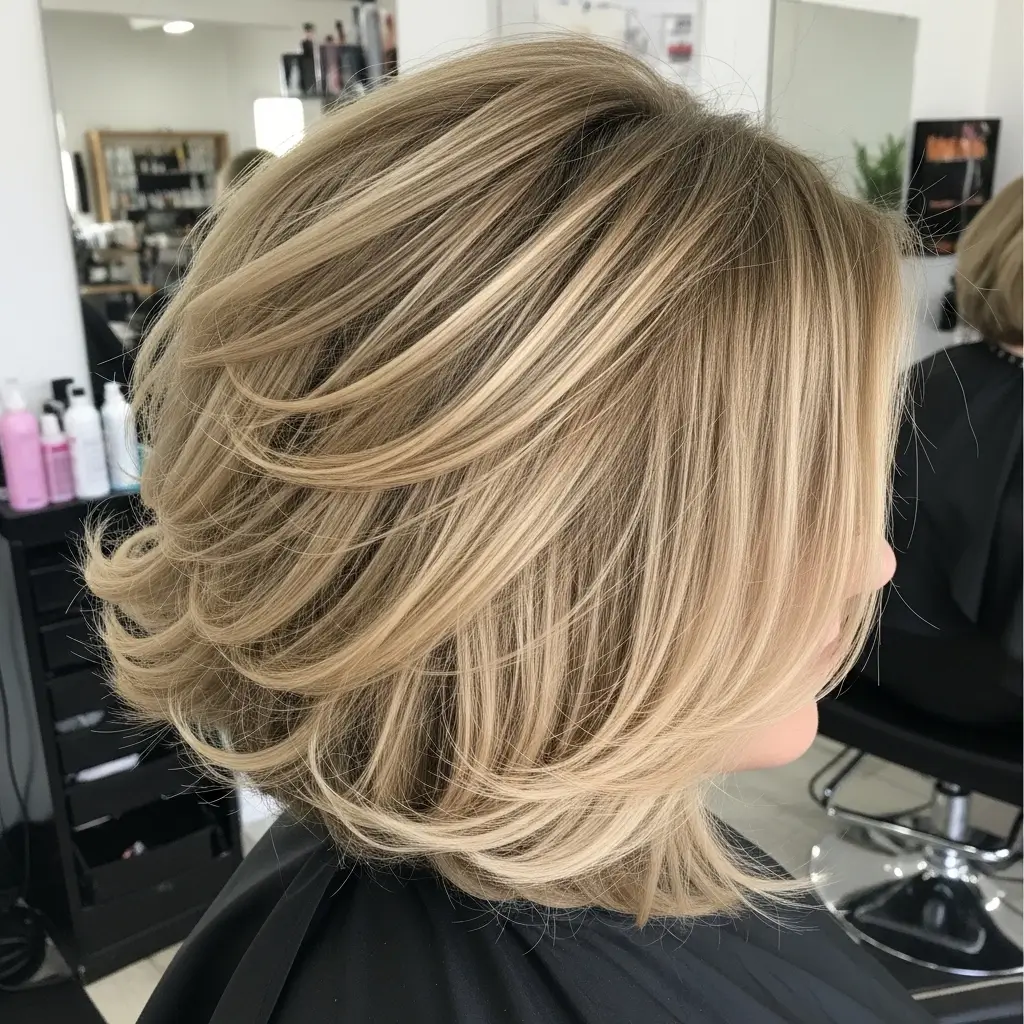
A voluminous blowout bob is styled for maximum lift, with roots blown up and ends curved for a rounded, full shape. It turns thin hair into a bouncy, salon-fresh look and is a great option for special events or anyone who enjoys styling.
Apply root-lifting mousse, rough-dry upside down, then use a medium round brush section by section. Set the crown with velcro rollers while it cools. Trims every six weeks keep the bob dense. A flexible hairspray helps the volume last through the day.
Best for: Thin hair wanting a glamorous, full and polished finish.
- Length: Chin length
- Maintenance: Medium
- Styling time: 15–20 minutes
- Trim every: 6 weeks
- Color touch-up: Optional
18. Textured Pixie With Layers
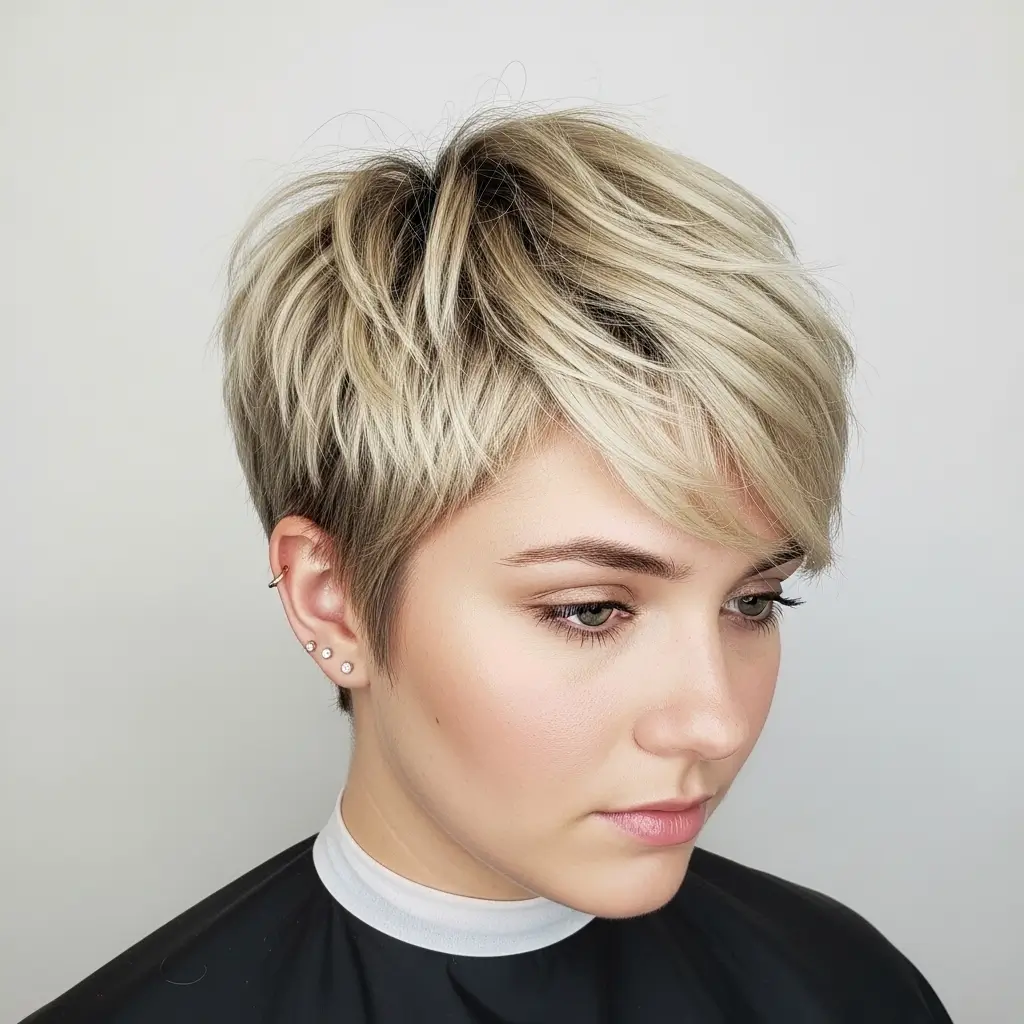
A textured pixie with layers adds piecey movement and height to short thin hair. The layering creates separation that looks like more hair, and the crown lift draws attention away from any thinning, giving a modern, confident finish. It works especially well on oval and heart-shaped faces.
Work a small amount of matte paste through dry hair and twist pieces for texture. Push the crown up with your fingertips. Trims every four to six weeks keep the layers defined. Avoid shiny products, which can make the scalp more visible.
Best for: Fine or thinning hair wanting a confident, textured short cut.
- Length: Cropped
- Maintenance: Very low
- Styling time: 5 minutes
- Trim every: 4–6 weeks
- Color touch-up: Optional
19. C-Curl Bob
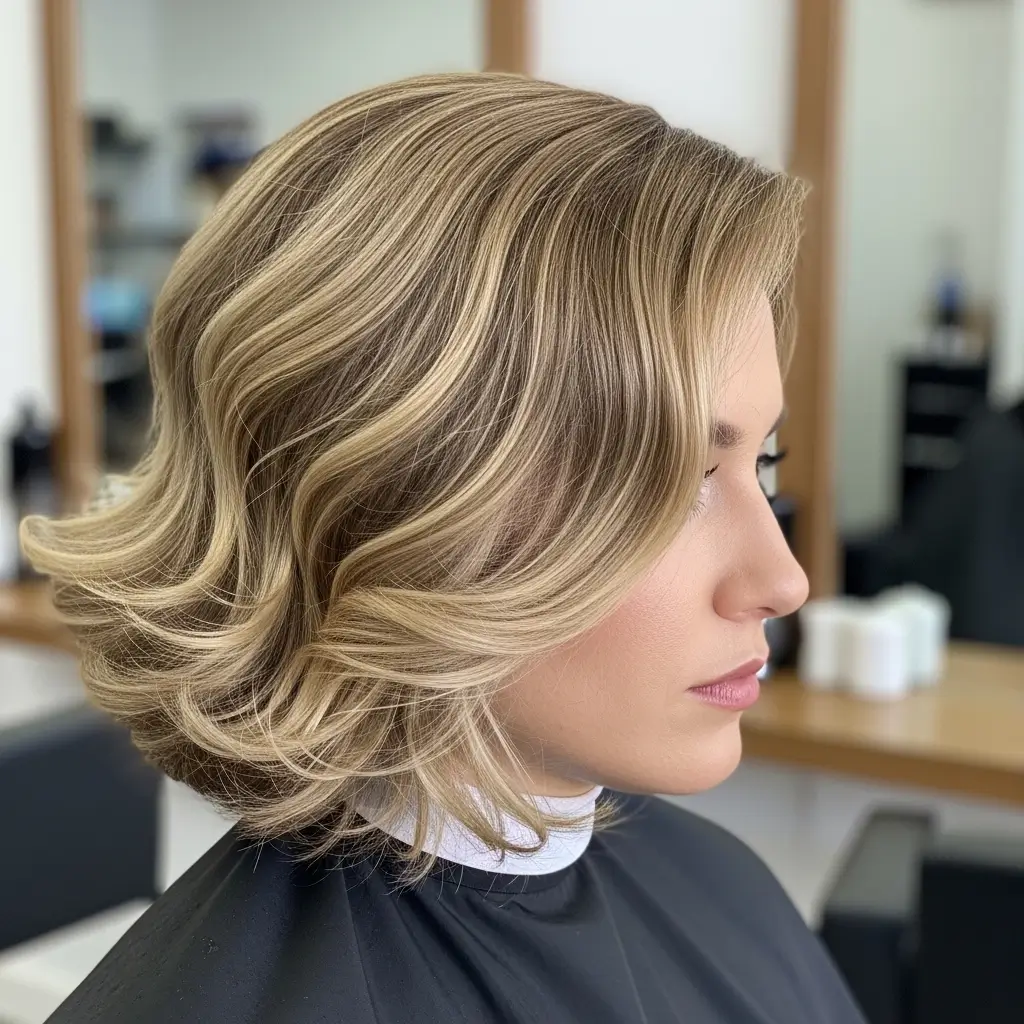
A C-curl bob is styled so the ends curve inward in a soft C shape, a technique popular in Korean salons. The curve adds roundness and fullness to thin hair, and the bob length keeps the ends dense, creating a polished, youthful look.
Blow-dry with a round brush, curving the ends under toward the face. A large flat iron can also create the C shape. Finish with a light serum. Trims every six to eight weeks keep the curve sitting nicely. A drop of serum on the ends adds shine without flattening the shape.
Best for: Thin straight hair wanting a soft, rounded and polished bob.
- Length: Chin to jaw length
- Maintenance: Medium
- Styling time: 10–15 minutes
- Trim every: 6–8 weeks
- Color touch-up: Optional
20. Long Layers With Face Framing Volume
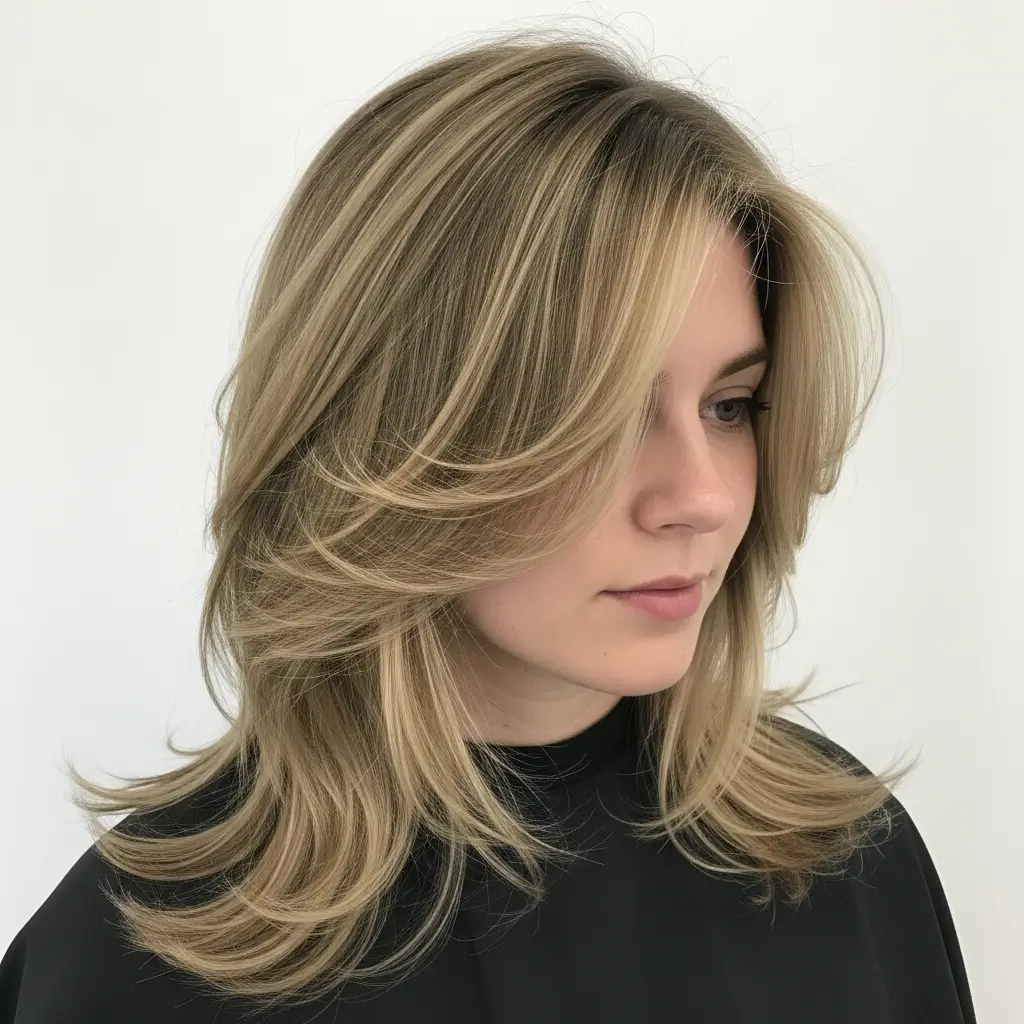
Long layers with face-framing pieces let thin hair keep its length while adding volume where it matters most: around the face. The shorter front layers lift and frame, while long minimal layers keep the ends from looking stringy.
Blow-dry the face-framing layers outward with a round brush and add soft waves through the lengths. Use a lightweight volumizer. Trims every eight weeks remove splits and keep the ends looking dense. Rotating your part also gives the roots fresh lift each week.
Best for: Thin long hair wanting face-framing volume and healthy length.
- Length: Below the shoulders
- Maintenance: Medium
- Styling time: 15 minutes
- Trim every: 8 weeks
- Color touch-up: Optional
How Do I Choose the Right Haircut for Thin Hair?
Choosing the right haircut for thin hair depends on your strand thickness, overall density, face shape and how much styling you are willing to do. The goal is always the same: keep the ends looking dense and create lift at the roots. Thinking through these points before your appointment helps you avoid cuts that remove too much hair and leave it looking sparse.
- Very fine strands: Blunt bobs and short cuts keep every strand looking strong.
- Low density: Pixies, stacked bobs and curtain bangs create density where it shows.
- Want length: Choose a collarbone cut or layered lob with a strong baseline.
- Round faces: Side-swept layers and asymmetrical bobs add length and lift.
- Long faces: Bangs and bobs with width at the sides balance proportions.
Your routine is important too. If you prefer to air dry, choose cuts like the French bob, shag or beach waves bob that look good with texture spray alone. If you enjoy blow-drying, a voluminous blowout bob or C-curl bob gives a polished, full finish. Avoid very long, one-length hair, which tends to look stringy at the ends, and ask your stylist to skip thinning shears entirely.
Which Thin Hair Haircuts Work Best for Fine, Thick, Wavy, Curly, or Coily Hair?
Thin hair comes in every texture, and the best cut depends on whether your hair is straight, wavy, curly or coily as well as how dense it is. Texture can actually help thin hair look fuller, so choose a cut that makes the most of what your hair does naturally.
- Fine straight hair: Blunt bobs, C-curl bobs and micro bobs create dense, solid ends.
- Thicker strands, low density: Layered lobs and feathered layers add movement and lift.
- Wavy hair: Beach waves bobs and soft shags use natural bends for width.
- Curly hair: Dry-cut curly bobs and shags build volume at the crown.
- Coily hair: Rounded, tapered shapes show off pattern and maximize fullness.
Whatever your texture, focus on lightweight products, since heavy creams and oils weigh thin hair down. Volumizing mousse, root-lifting spray and texture spray are your best tools. Healthy hair also looks fuller, so regular trims, gentle handling and scalp care all contribute. If thinning is new or sudden, it is worth seeing a dermatologist to rule out treatable causes.
How to Ask Your Stylist for a Haircut for Thin Hair
Tell your stylist clearly that your main goal is to make your hair look fuller, and ask them to avoid thinning shears and heavy razor cutting. Bring photos of cuts on people with similarly thin or fine hair, not thick hair, since a style can look very different with less density. Point out what you like, such as a blunt line, soft bangs or crown volume.
Explain how you style your hair and how much time you spend each morning. Ask where layers will start, how much length will come off and how the cut will look air-dried versus blow-dried. Request product recommendations for volume and a quick styling demonstration, so you know how to lift the roots and finish the ends for the fullest look at home.
How Do I Care for Thin Hair to Keep It Looking Full?
Caring for thin hair is about protecting every strand and building volume without weight. A gentle routine keeps hair strong, while the right products and habits help your cut look fuller between salon visits.
- Trim regularly: Every five to eight weeks keeps ends dense and free of splits.
- Use volumizing products: Choose lightweight shampoo, conditioner and root lifters.
- Condition the ends only: Keep conditioner away from the roots to avoid flatness.
- Handle gently: The American Academy of Dermatology advises avoiding tight styles, harsh brushing and excess heat.
- Color carefully: Follow American Academy of Dermatology guidance; soft highlights can add the look of density.
- Look after your scalp: Gentle massage and regular cleansing support healthy growth.
Dry shampoo is a great volumizer even on clean hair, adding grip at the roots. Switching your part occasionally gives instant lift, and sleeping on a silk pillowcase reduces breakage. Balanced nutrition, stress management and good sleep also support healthy hair, and a dermatologist can help if you notice sudden or patchy thinning.
Frequently Asked Questions
What haircut makes thin hair look thicker?
A blunt bob makes thin hair look thickest, because cutting all strands to one length concentrates density at the ends. French bobs, micro bobs and collarbone cuts with blunt ends also work well. Avoid heavy thinning and too many layers.
Should thin hair be cut short?
Shorter cuts usually make thin hair look fuller, since less length means less weight pulling it flat. However, a collarbone cut or layered lob with a strong baseline can also look full. Very long, one-length hair often looks the thinnest.
Are layers good for thin hair?
A few long, soft layers can add movement and lift, but too many layers remove density and make thin hair look sparse. Ask for minimal layering, focused around the face or crown, while keeping a strong, blunt baseline at the ends.
Do bangs help thin hair look fuller?
Yes, bangs bring hair forward from the crown and add density at the front of the head. Curtain bangs and soft side-swept bangs are especially flattering and can disguise a wide part or thinner hairline.
What products add volume to thin hair?
Lightweight volumizing shampoo, root-lifting mousse or spray, texture spray and dry shampoo are the best products for thin hair. Avoid heavy oils, butters and silicone-rich creams, which weigh fine strands down and make hair look flatter.
How often should I trim thin hair?
Thin hair benefits from trims every five to eight weeks. Regular trims remove split ends, which make thin hair look even sparser at the bottom, and keep the hemline looking dense and healthy.
Conclusion
The right haircut can make thin hair look fuller, healthier and far easier to style. Whether you choose a dense blunt bob, a lifted pixie, soft curtain bangs or long layers with face-framing volume, the key is keeping ends strong and roots lifted, with a cut that works with your texture this year.
Use these ideas to talk with your stylist about the best shape for your hair. The same principles carry over well to haircuts for older women with thin hair, and you will find related shapes in chin length haircuts for fine hair as well as layered haircut.