20 Timeless Wolf Cut Hairstyles for Women With a Modern Twist

The wolf cut is what happens when a 70s shag and an 80s mullet have a very stylish argument. Short, spiky layers through the crown, longer wispy pieces at the bottom, and a whole lot of deliberate mess in between.
It blew up a few years ago and unusually for an internet haircut it stuck around. Turns out the wolf hair cut isn’t a trend so much as a shape, and shapes outlive trends. It adds volume where hair is flat, removes weight where hair is heavy, and looks best when you haven’t touched it.
Here are 20 versions worth stealing. Screenshot as needed.
1. The Classic Wolf Cut
The original blueprint. Short choppy layers starting around the cheekbones, gradually lengthening into thin, feathered ends at the shoulders. The contrast between the dense top and the wispy bottom is the entire point. Air-dry it, scrunch in texture spray, and resist every urge to brush it. Genuinely a five-minute haircut to live with.
2. The Short Wolf Cut
The same layering compressed into a chin-to-jaw length. Everything gets sharper and spikier because there’s less room for the transition. It’s edgier than the classic and needs a little more product to hold the shape. Brilliant if you want maximum texture without shoulder-length commitment.
3. The Wolf Bob
Wolf layering built into a bob, so the length stops at the jaw but the crown is still short and choppy. From a distance it reads as a textured bob; up close the layering is unmistakable. It’s the most office-appropriate version and the easiest one to grow out.
4. The Long Wolf Cut
Layers starting high but length kept well past the shoulders. You get all the volume at the top with none of the length loss ideal if you’ve spent two years growing your hair and aren’t giving it up. The ends should be thin and feathery, almost stringy. That’s intentional
5. Wolf Cut with Curtain Bangs
A fringe split down the middle sweeping outward at the cheekbones. It’s the most common pairing and for good reason — curtain bangs blend seamlessly into the top layers, so the whole cut flows instead of looking like two separate ideas. Also the most forgiving fringe to grow out.
6. Wolf Cut with Blunt Bangs
A heavy straight-across fringe against all that choppy texture. The contrast between one hard line and total chaos is what makes it work. It’s a much stronger look than curtain bangs and reads as deliberate rather than undone. Best on straight or lightly wavy hair.
7. Wolf Cut with a Micro Fringe
Baby bangs cut well above the eyebrows, paired with wolf layering. It’s the most fashion-forward version here and absolutely not subtle. The tiny fringe draws attention up toward the spiky crown. Not a DIY moment, and roughly three months to grow back if you regret it.
8. The Curly Wolf Cut
Curls plus wolf layering is arguably the best version of this cut. All that internal layering lets curls stack upward instead of spreading sideways, which solves the triangle problem instantly. Non-negotiable: cut dry, curl by curl. Diffuse upside down and don’t touch it while it sets.
9. The Coily Wolf Cut
On coily and 4-type hair, the wolf cut becomes a shaped halo short and full at the crown, tapering into looser definition at the ends. It’s essentially a softened shag with a lot of movement. Use a curl cream and a diffuser, and get it shaped by someone who cuts textured hair regularly.
10. The Wavy Wolf Cut
Natural S-waves with wolf layering is the path of least resistance your hair already wants to do this. The layers give the waves somewhere to sit so they separate instead of clumping. Sea salt spray, scrunch, done. If your hair is naturally wavy, this is the lowest-effort cut on the list.
11. The Sleek Straight Wolf Cut
Straight hair styled smooth rather than tousled, so the layers read as clean graphic lines instead of mess. It’s a completely different mood sharper, more editorial, less rock-and-roll. Flat-iron in sections and use a light serum on the ends only, since straight hair goes greasy fast at the root.
12. The Soft Wolf Cut
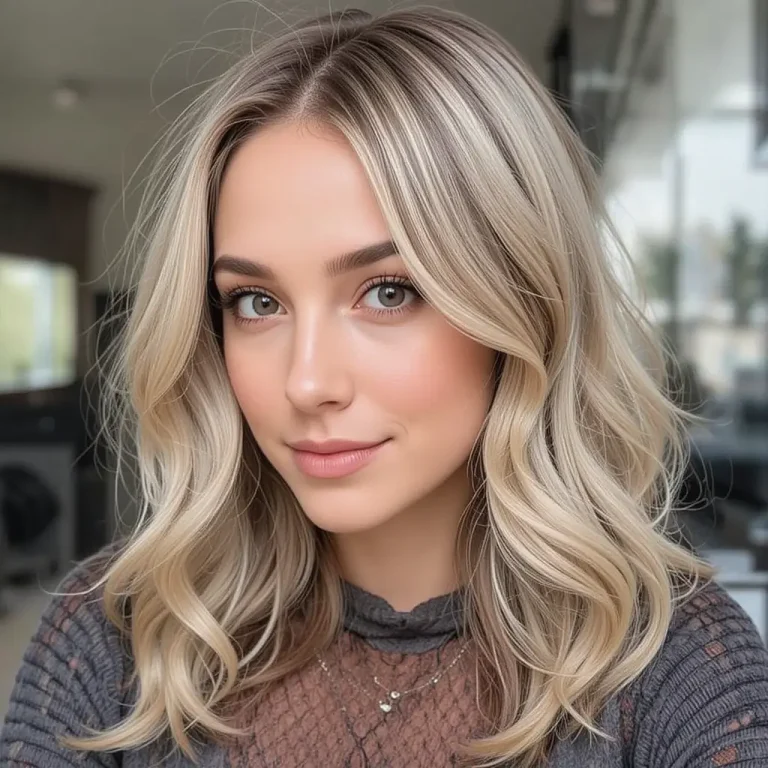
The toned-down version, sometimes called a butterfly wolf. Layers are longer, blending is softer, and there’s no spiky crown — just volume and face-framing movement. It’s the wolf cut for people who want the shape without anyone commenting on it. Very safe, very flattering, very easy.
13. The Mullet Wolf Cut
Pushed further toward the mullet end: shorter and choppier on top, noticeably longer at the back, minimal blending. It’s the most rebellious version and it’s genuinely everywhere in barbershops right now. Keep the back heavily texturised so it looks intentional and not like a grow-out accident.
14. Wolf Cut with an Undercut
Hair shaved or tapered close underneath, wolf layering on top. It removes serious bulk, which matters if your hair is thick enough that the layers were starting to look like a pyramid. The hidden shave also means you can wear it up and reveal a completely different haircut.
15. Wolf Cut with a Money Piece
Standard wolf cut, with the two front sections lightened a few shades. Those bright panels sit right in the face-framing layers, so they catch every bit of movement. It’s the cheapest way to make a wolf cut look like it came from an expensive salon. Low commitment, high payoff.
16. The Copper Wolf Cut
Bright warm copper on all that texture. Layered cuts show colour dimension better than blunt ones because light hits the hair at multiple depths so a single-process copper ends up looking like it has three tones in it. Currently one of the most-requested colour and cut combinations going.
17. The Bleached Wolf Cut
Platinum or near-white on a wolf cut. The pale colour makes every layer and wispy end visible, which either looks incredible or looks like straw it depends entirely on your aftercare. Bond-building treatments and purple toner are mandatory, not optional. Budget for it before you book.
18. The Fine-Hair Wolf Cut
Fine hair can absolutely wear this just ask for fewer, longer layers and keep the ends less thinned out. Over-layering fine hair leaves the bottom half see-through. Done right, the short crown layers create real root volume, which is exactly what fine hair usually lacks.
19. The Thick-Hair Wolf Cut
Thick hair is the wolf cut’s natural home all that density fills out the layers instead of leaving gaps. Ask for internal weight removal rather than surface thinning, or you’ll get frizzy flyaway ends. The heavier your hair, the more dramatic the transformation tends to be.
20. The Half-Up Wolf Cut
Not a cut — a styling trick. Twist the top section into a small clip or bun and let the layered lengths fall loose underneath. The short crown layers pop out around the face and the whole shape gets taller. It’s the single best way to wear a wolf cut on day three.
How to Ask for a Wolf Cut Without Getting a Mullet
The wolf cut goes wrong more often than most cuts, almost always because of vague communication. A few things to settle before scissors touch anything:
- Say where the shortest layer should sit. Cheekbone, jaw, or chin this single decision defines the whole cut.
- Specify how much blending. Heavy blending gives you a soft shag; minimal blending gives you a mullet. There’s no neutral default.
- Bring photos of your hair type, not just the cut. A wolf cut on poker-straight hair looks nothing like one on 3b curls.
- Ask for internal thinning, not surface thinning. Surface thinning shears create frizzy halo pieces that never lie flat.
- Decide on a fringe before you sit down. Adding one mid-cut rarely goes well.