
What Is a Perm Hairstyle? 6 Perm Types, Process & Aftercare (2027)

A perm is a chemical hair treatment that permanently changes the shape of your hair, adding curls, waves or volume that last for months. Once linked with the tight, frizzy looks of the 1980s, perms have been completely reinvented with softer formulas, modern techniques and natural-looking results.
This guide explains what a perm hairstyle is in 2027, how the process works, who it suits and whether it is safe for your hair. You will also find six types of perms, from spiral and body wave to digital, root, straight and beach wave perms, plus aftercare tips that help your curls stay healthy and defined.
Quick Overview
- A perm chemically reshapes hair into curls or waves.
- Results usually last between two and six months.
- Body wave perms are the most popular modern option.
- Rod size controls how tight or loose the curls are.
- Damaged or bleached hair may not be suitable.
- Sulphate-free products help perms last longer.
What Is a Perm Hairstyle?
A perm, short for permanent wave, is a salon treatment that changes the natural shape of the hair by breaking and rebuilding its internal bonds. The hair is wrapped around rods, treated with a waving solution and then neutralised so it holds the new shape.
The result can range from tight ringlets to loose, beachy waves, depending on rod size, wrapping technique and product strength. Unlike curling irons or heatless curls, a perm does not wash out. The treated hair keeps its new texture until it grows out or is cut away.
Modern perms look very different from the crispy curls of past decades. Stylists now use gentler, conditioning formulas and larger rods to create soft movement and natural volume. Perms are worn by women and men with straight, fine or flat hair who want texture without daily styling. Our curly hair for men guide shows how perms are popular with men too.
How Does a Perm Work?
Every strand of hair contains disulphide bonds that give it its natural shape. During a perm, a waving lotion, usually based on ammonium thioglycolate, breaks these bonds so the hair becomes flexible enough to take the shape of the rods.
The stylist first washes the hair and divides it into sections. Each section is wrapped around a rod, and the size and direction of the rods decide the final curl pattern. The waving solution is applied and left to process, often for fifteen to thirty minutes, depending on hair type.
Next, the hair is rinsed and a neutraliser, usually hydrogen peroxide, is applied. This rebuilds the bonds in their new curled position and locks the shape in place. Finally, the rods are removed and the hair is rinsed again. Most stylists recommend not washing your hair for forty-eight hours afterward so the curls fully set. Our curly wolf cut guide shows a cut that works well over permed texture.
Is a Perm Safe for Your Hair?
A perm is a chemical treatment, so it does affect the hair’s structure. Done correctly by a trained stylist on healthy hair, it is generally safe, and modern formulas are much gentler than older ones. However, there are some important precautions.
Hair that is heavily bleached, damaged or recently relaxed may not handle a perm well and can become brittle or break. A strand test helps your stylist check how your hair will react. People with sensitive scalps should mention it beforehand, as the solution can cause irritation.
Spacing chemical services is also important. Most stylists recommend waiting at least two weeks between colouring and perming. After a perm, use moisturising, sulphate-free products, avoid excessive heat and get regular trims to remove dry ends. With proper care, permed hair can stay soft, shiny and healthy. Our chin-length haircuts for curly hair guide shows easy cuts for healthy curls.
Who Should Get a Perm?
Perms are ideal for people with straight, fine or flat hair that will not hold a curl. They add volume, movement and texture, and they can make thin hair look noticeably fuller. Anyone tired of using curling irons every morning can also save time with a perm.
They also suit people who want a lower-maintenance routine. Permed hair can often be scrunched with product and left to air dry, cutting styling time significantly. Men use perms to add texture to short tops or to create the popular curly fringe look.
However, perms are not for everyone. If your hair is very damaged, already very curly or you change your style often, a perm may not be the best fit. Remember that it grows out gradually, so you will see a difference between treated lengths and new roots over time. Discuss your goals with a stylist first. Our curly pixie cut guide shows short permed ideas.
6 Types of Perm Hairstyles
1. Spiral Perm
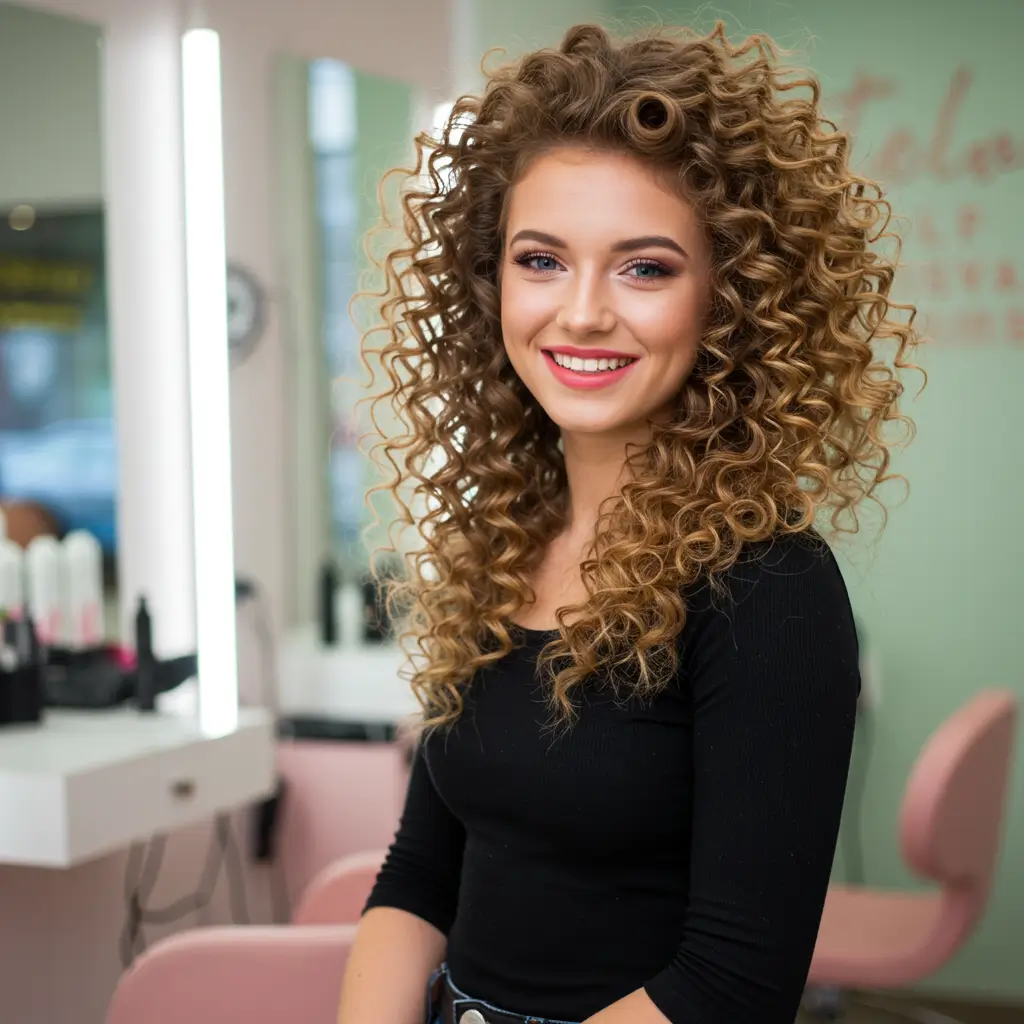
A spiral perm creates tight, bouncy corkscrew curls from root to tip. The hair is wound vertically around long, thin rods, so each curl falls in a defined spiral rather than a loose wave. It adds dramatic volume and movement and is the classic choice for anyone who wants a bold, fully curly look that lasts for months.
It works best on hair that reaches at least the shoulders, since the vertical wrapping needs length to form complete spirals. Ask your stylist about rod size, because smaller rods give tighter ringlets and larger rods give softer spirals. Scrunch in curl cream after washing and let the hair air dry or diffuse it gently. Our long layered hairstyles for curly hair guide shows cuts that frame spirals.
Best for: Bold, defined ringlets
- Curl result: Tight corkscrew curls
- Best hair length: Shoulder length and longer
- Best hair type: Fine to medium, straight
- Lasts: 3–6 months
- Salon time: 2–3 hours
2. Body Wave Perm
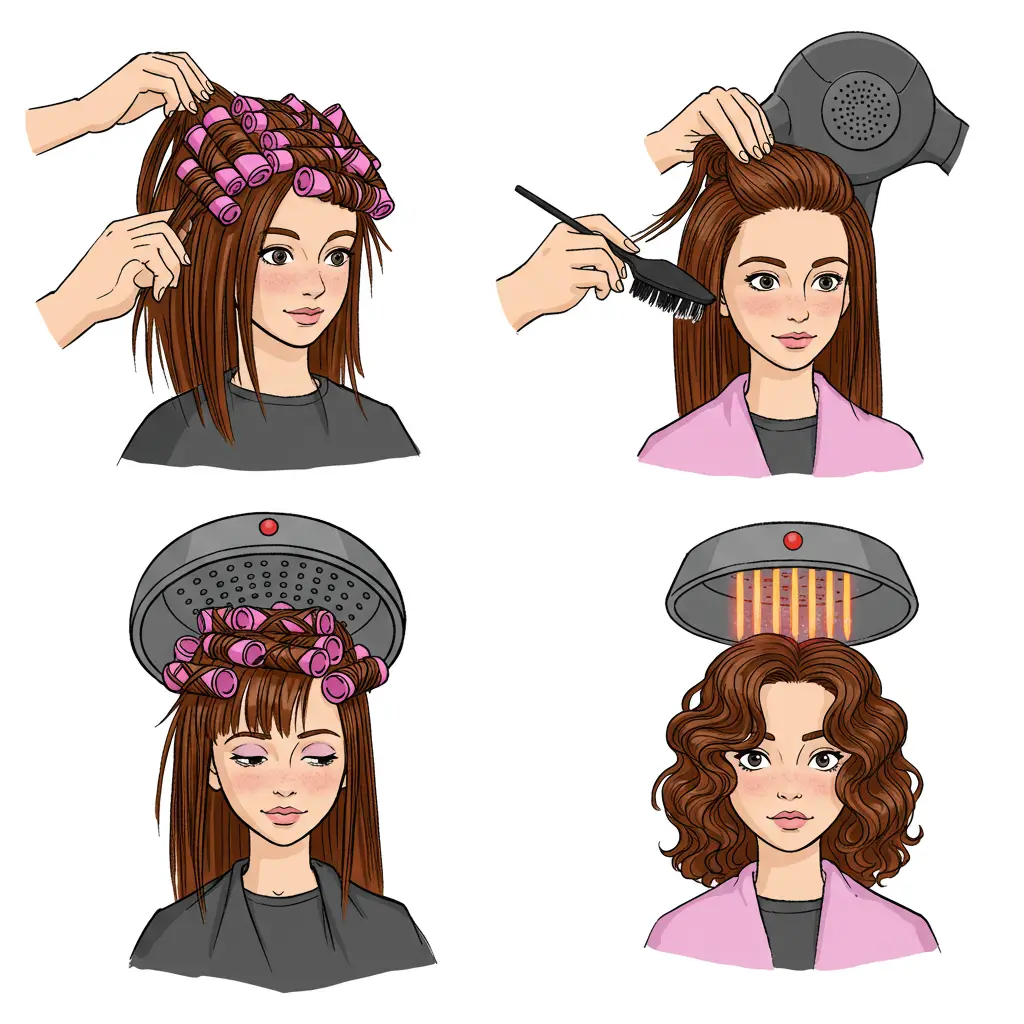
A body wave perm uses large rods to create loose, natural-looking waves rather than distinct curls. It is the most popular perm today because it adds volume, movement and texture without looking obviously permed. The result resembles salon blowout waves that last for weeks, making daily styling much quicker and easier.
Body waves suit straight, limp or fine hair that struggles to hold a curl or style. The waves soften as they relax, so many clients find the second month looks the most natural. Use a lightweight mousse or sea salt spray and a diffuser to boost the pattern, and avoid heavy oils that weigh waves down. Our medium shag haircuts guide shows layered cuts that pair beautifully with body waves.
Best for: Natural, effortless volume
- Curl result: Loose, soft waves
- Best hair length: Chin length and longer
- Best hair type: Fine, straight
- Lasts: 2–4 months
- Salon time: 2 hours
3. Digital Perm

A digital perm, also called a hot perm, uses heated rods connected to a machine to set the curl. Popular in Japan and Korea, it creates soft, glossy, bouncy waves that look like a fresh curling-iron finish. The curls are most defined when the hair is dry, which makes styling extremely quick each morning.
Digital perms work best on medium to long hair in good condition, since heat is part of the process. They are pricier and take longer than traditional perms, but the results often last longer and look more polished. Twist sections around your fingers while drying to bring the curl back to life. Our layered haircut guide shows cuts that show off soft bounce.
Best for: Glossy, salon-style curls
- Curl result: Soft, bouncy waves
- Best hair length: Medium to long
- Best hair type: Healthy, straight
- Lasts: 4–6 months
- Salon time: 3–4 hours
4. Root Perm

A root perm treats only the first few inches of hair closest to the scalp. It adds lift and volume at the roots without changing the texture of the lengths. It is ideal for people with flat, fine hair, and it is often used to refresh an older perm as the curls grow out and leave straight roots.
Because only the roots are processed, the appointment is quicker and there is less overall chemical exposure. The lift lasts around six to eight weeks, until the treated hair grows away from the scalp. Blow-dry upside down for maximum volume and avoid heavy conditioners at the roots, which can flatten the lift. Our haircuts for thin hair guide shows cuts that boost the same volume.
Best for: Lift for flat fine hair
- Curl result: Root volume only
- Best hair length: Short to long
- Best hair type: Fine, flat
- Lasts: 6–8 weeks
- Salon time: 1 hour
5. Straight Perm (Reverse Perm)
A straight perm, also called a reverse perm, does the opposite of a traditional perm. It uses chemicals to relax curls, waves or frizz into smoother, straighter hair. It is often used on curly or wavy hair that is hard to manage, or to soften an old perm that has become too tight.
The hair is coated with a relaxing solution, combed straight and then neutralised to set the new shape. It is permanent on the treated hair, so new growth will come in with your natural texture. Book with an experienced stylist, use sulphate-free shampoo and deep condition weekly to keep straightened lengths healthy. Our hair color ideas for curly hair guide explains timing chemical services safely.
Best for: Smoothing curls and frizz
- Curl result: Smooth, straight hair
- Best hair length: Any length
- Best hair type: Curly, wavy, frizzy
- Lasts: Until it grows out
- Salon time: 2–3 hours
6. Beach Wave Perm
A beach wave perm creates relaxed, tousled waves that look like you have spent the day by the ocean. It uses medium to large rods, often wrapped in alternating directions, for an imperfect, lived-in texture. It is a favourite for anyone who wants carefree waves that look stylish with almost no daily effort.
Beach waves suit medium to long hair and look especially good with face-framing layers. The mixed wrapping gives a natural movement that never looks too uniform. Spritz sea salt spray into damp hair, scrunch and let it air dry. A light shine serum on the ends finishes the look without stiffness. Our curly shag guide shows a cut that loves wave texture.
Best for: Relaxed lived-in texture
- Curl result: Tousled, loose waves
- Best hair length: Medium to long
- Best hair type: Fine to medium
- Lasts: 2–4 months
- Salon time: 2–3 hours
Perm Pros and Cons
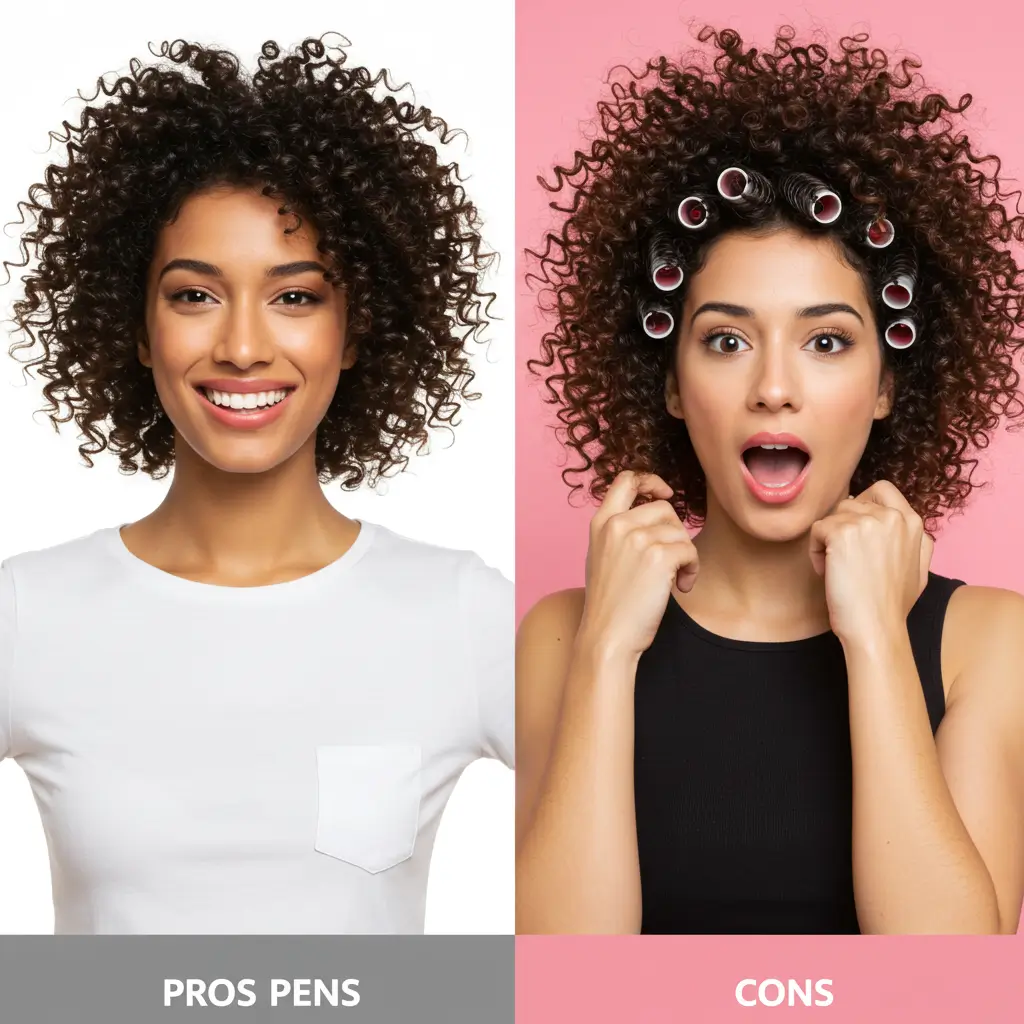
The biggest advantage of a perm is long-lasting texture. You get volume and curls that survive washing, sweating and humidity for months. Perms also cut styling time, add body to fine hair and can transform the overall look of a haircut.
There are drawbacks to consider, though. The chemicals can cause dryness, especially on porous or coloured hair, and results are difficult to reverse if you dislike them. Perms are also a time and money commitment, as appointments can take two to four hours. Pairing a perm with caramel highlights needs extra care, since colour and perm chemicals both stress the hair.
Upkeep is another factor. As your hair grows, straight roots appear and the curls loosen, so many people get a root perm or a full re-perm every few months. You will also need to switch to gentler products. Weighing these pros and cons helps you decide whether a perm truly suits your lifestyle and hair goals. Our short messy haircuts guide shows easy cuts if you decide to grow a perm out.
How Do I Care for a Perm?
- Wait at least 48 hours before washing so the new curl sets fully.
- Use heat protectant before styling; the American Academy of Dermatology warns that frequent heat damages hair.
- If you colour your hair, follow American Academy of Dermatology guidance and keep lengths well conditioned.
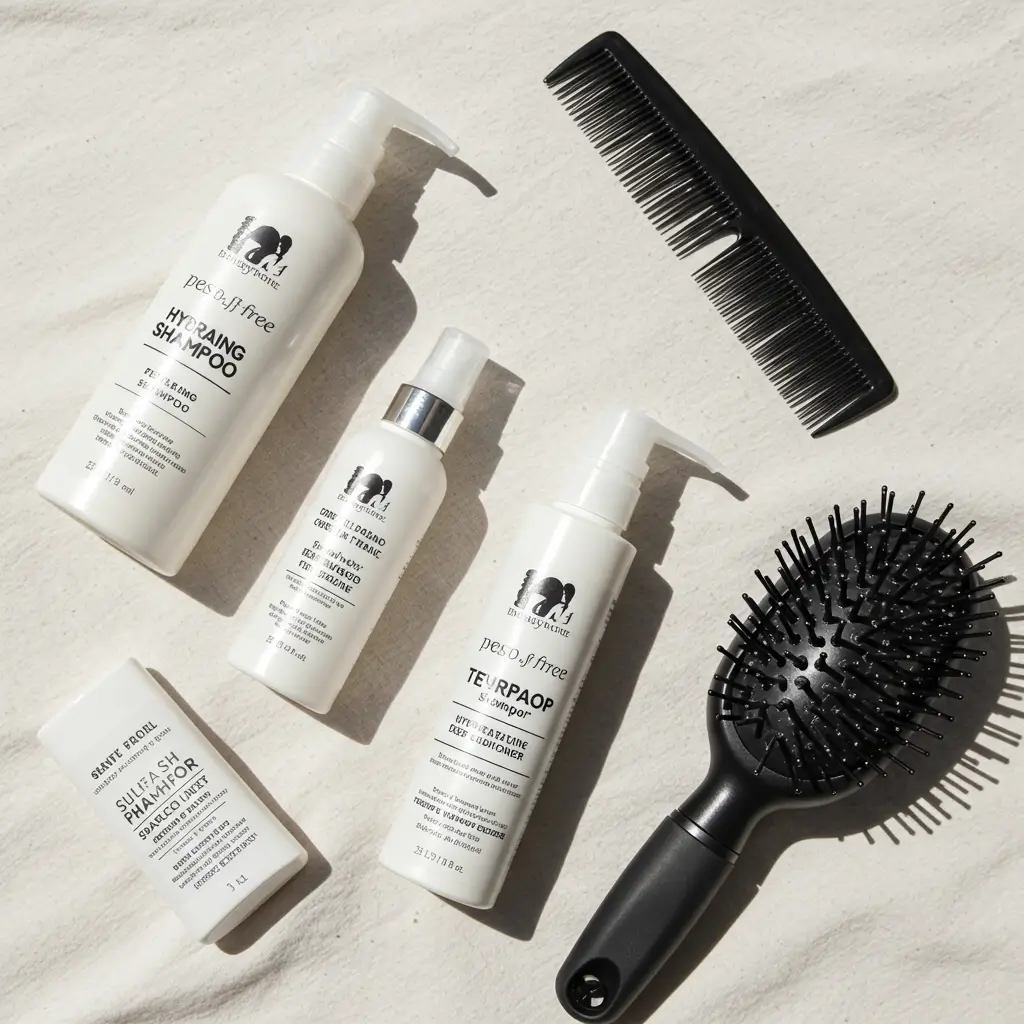
- Use sulphate-free shampoo and a rich conditioner to keep curls soft.
- Scrunch in curl cream or mousse and air dry or diffuse instead of brushing.
- Trim every eight to ten weeks and avoid heavy heat styling.
Frequently Asked Questions
What is a perm hairstyle?
A chemical treatment that permanently reshapes straight hair into curls or waves by restructuring its internal bonds.
How long does a perm last?
Usually two to six months, depending on hair type, perm type and how well you care for it.
Does a perm damage hair?
It can cause dryness, but modern formulas and good aftercare keep healthy hair in good condition.
Can I get a perm on coloured hair?
Often yes, but wait two weeks between services and do a strand test on bleached hair.
What is the most natural-looking perm?
A body wave or beach wave perm, which create loose, soft waves rather than tight curls.
Can men get a perm?
Yes. Many men use perms to add texture and curl to short tops and fringes.
Conclusion
A perm is a modern, versatile way to add lasting curls, waves and volume to straight or flat hair. Whether you choose dramatic spirals, natural body waves, glossy digital curls, a lifting root perm, a smoothing reverse perm or relaxed beach waves, the right technique can transform your look for months.
Talk to an experienced stylist about your hair condition and goals, and follow a gentle aftercare routine. With good care, your perm will look soft, healthy and full of movement throughout 2027.